
All episodes
The written companion to every video, newest first.

Why Japan Lets You Eat the World's Most Poisonous Fish
Fugu toxin cannot be cooked out, so Japan has it cut out: a national list of species and parts, licensed handlers and locked-away waste. Most poisonings come from fish cleaned at home, and the liver stays banned even when farmed.

Why Japan Is Betting on Paper-Thin Solar Panels
Perovskite film is weaker and shorter-lived than silicon, yet Japan will put up to ¥157 billion behind it. It fits roofs and walls silicon cannot, and its key ingredient, iodine, is made at home.
Why Does Japan Have the World's Oldest Companies?
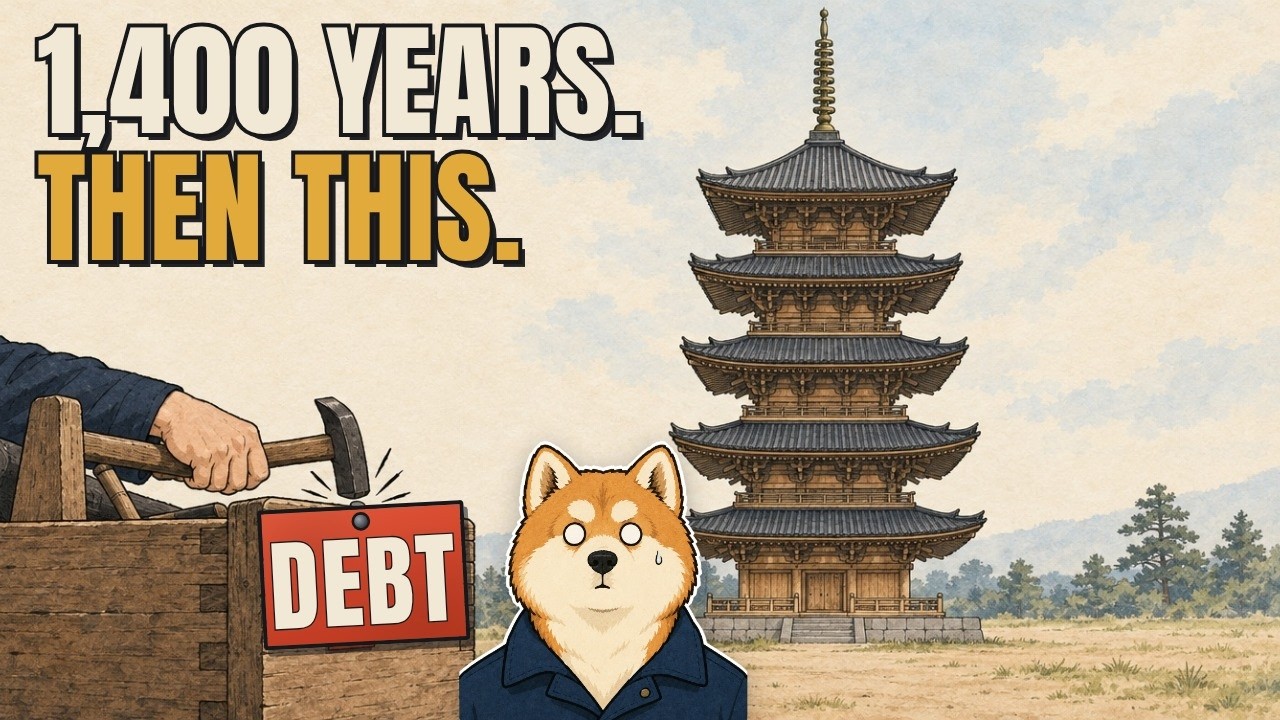
Kongō Gumi says it has built temples since 578. It survived fires and war by changing heirs, clients and materials, then nearly died of debt. What lasted was the name and the craft.
Every Japanese House Style Explained
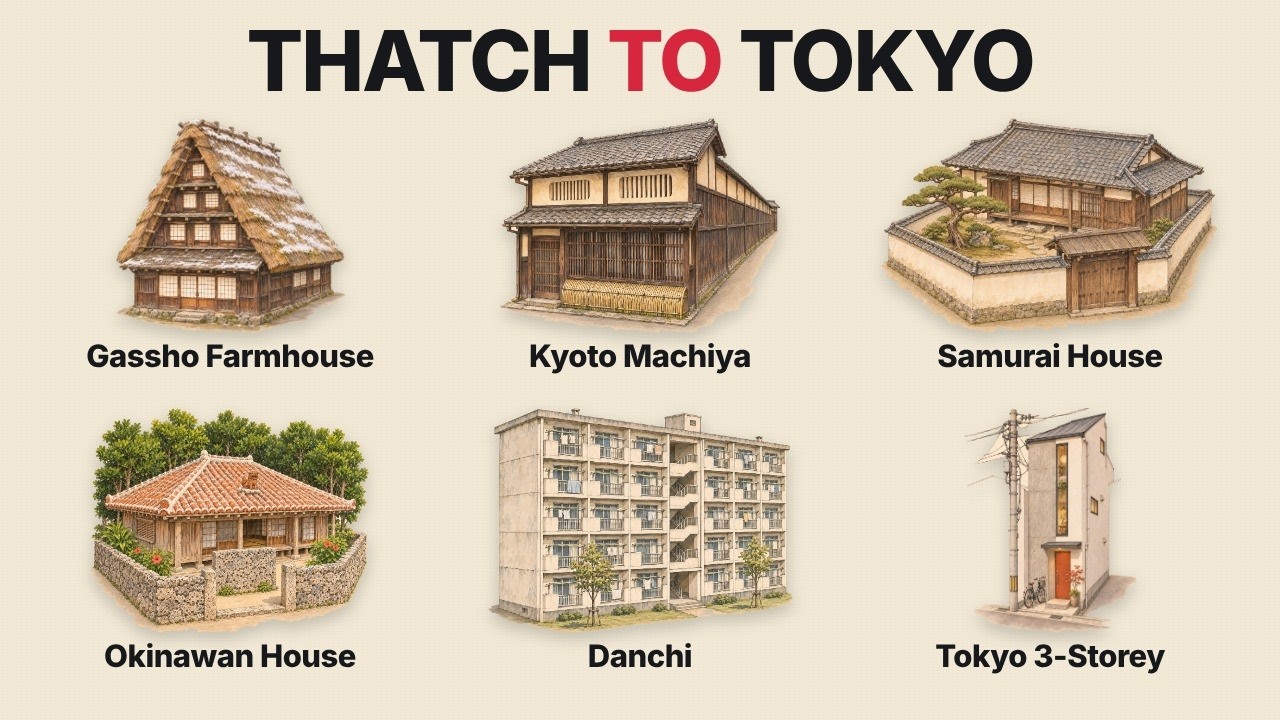
From pit dwellings to Tokyo's three-storey homes: every major Japanese house style, oldest first, how to spot each from the street, and why snow, typhoons, fire and postwar rules made so many.
Why Farmers Once Paid for Tokyo's Poop
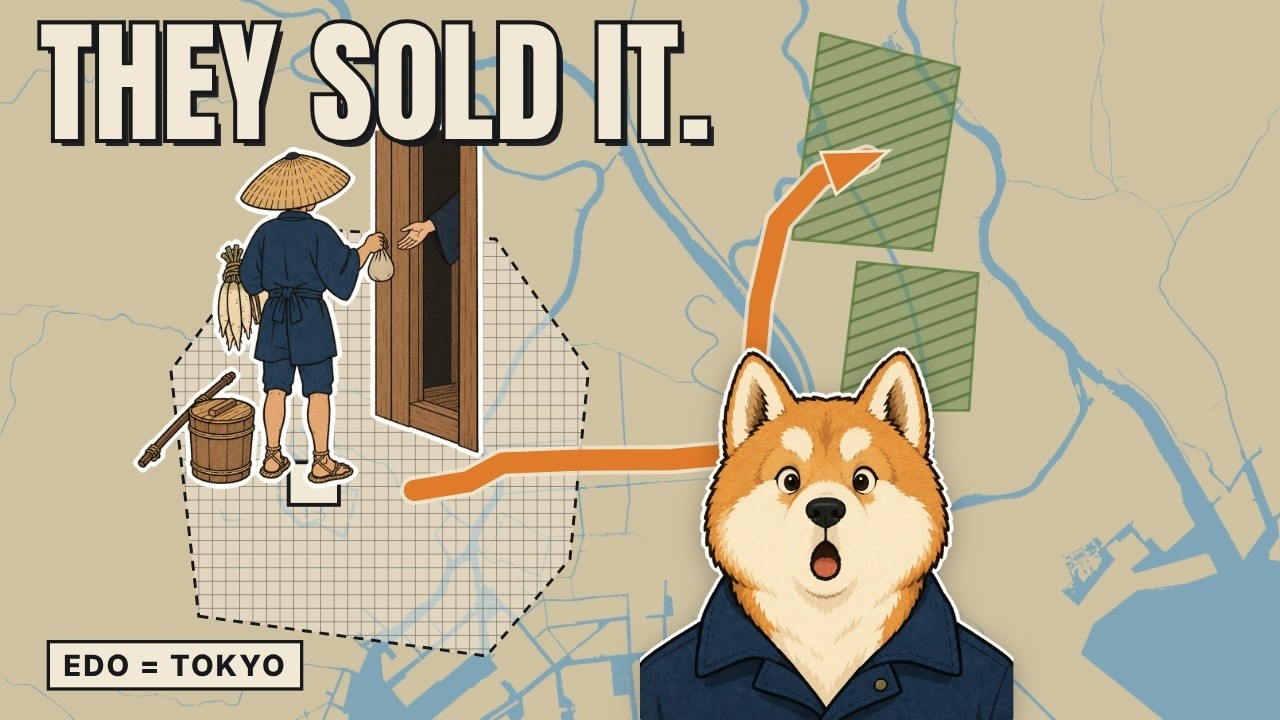
In Edo, today's Tokyo, human waste was fertilizer, so farmers paid landlords for it in cash or radishes. Prices rose, a thousand villages protested, and in 1918 the money flipped.

Why Did Japan Stop Giving Tourists Tax-Free Prices?
Since November 1, 2026, visitors to Japan pay tax at the register and get it back only after a customs check at departure. The old discount-first system let 374 big buyers spend ¥170.4 billion in a year, and the goods were confirmed leaving in just one checked case.
Why Japan Won't Open Its Biggest Tomb
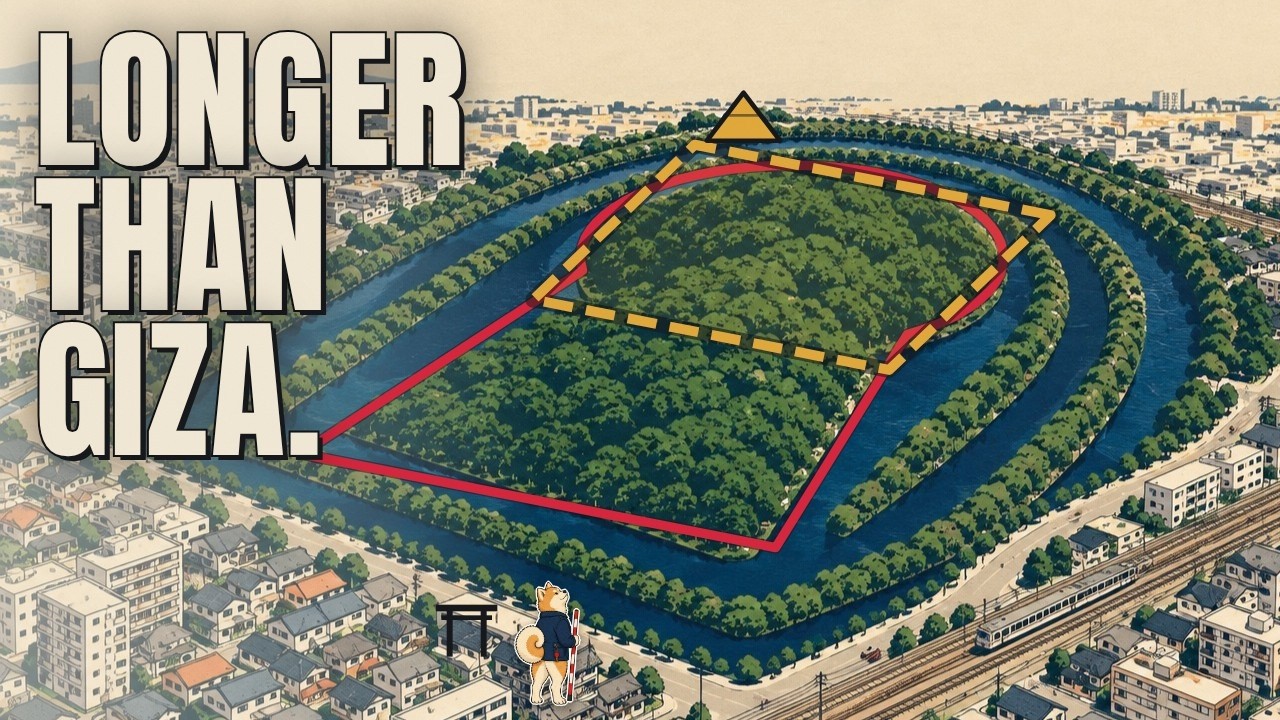
Japan's longest kofun, in Sakai, is managed as Emperor Nintoku's tomb and kept closed as a grave still in use. Scholars say its occupant is unidentified. A collapse in 1872, a set of drawings and a knife found in 2024 are what got out.
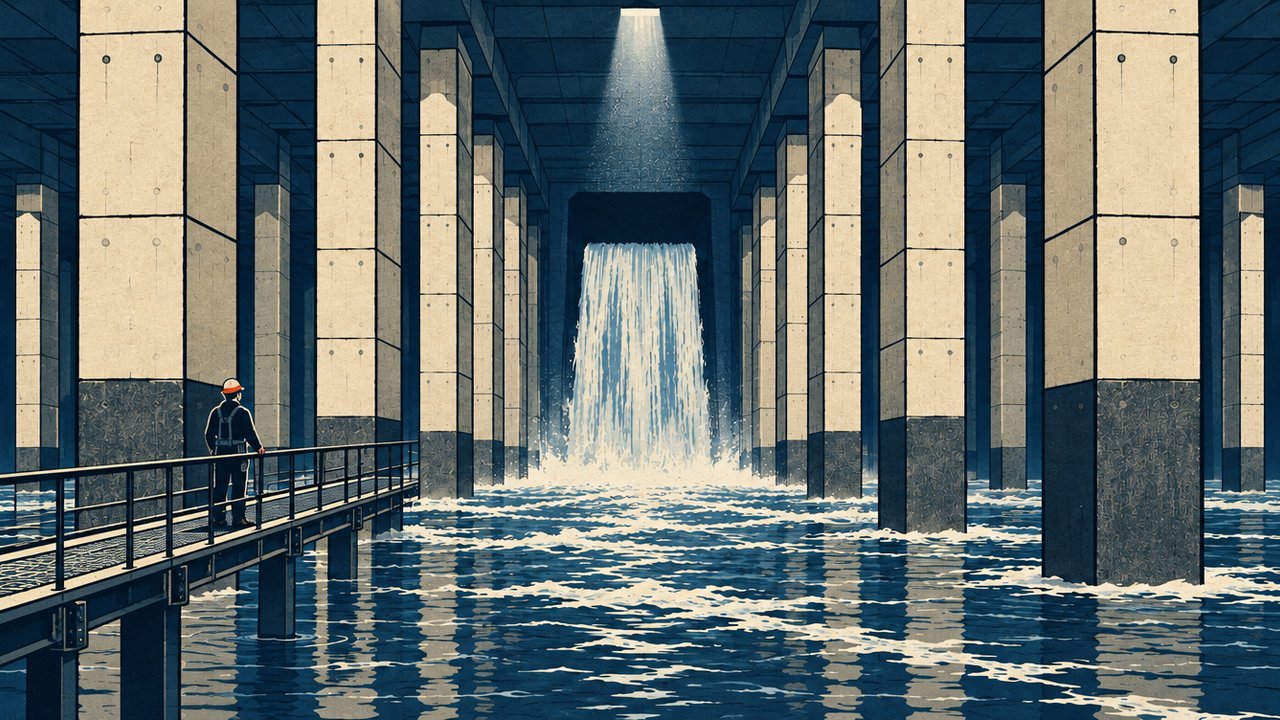
How Japan Stops Floods With an Underground Temple
On a low plain north of Tokyo, Japan dug a river under its own towns. When small rivers rise, their water drops into deep shafts, crosses a hall of 59 pillars and is pumped into a bigger river. In 2019, a typhoon tested it.
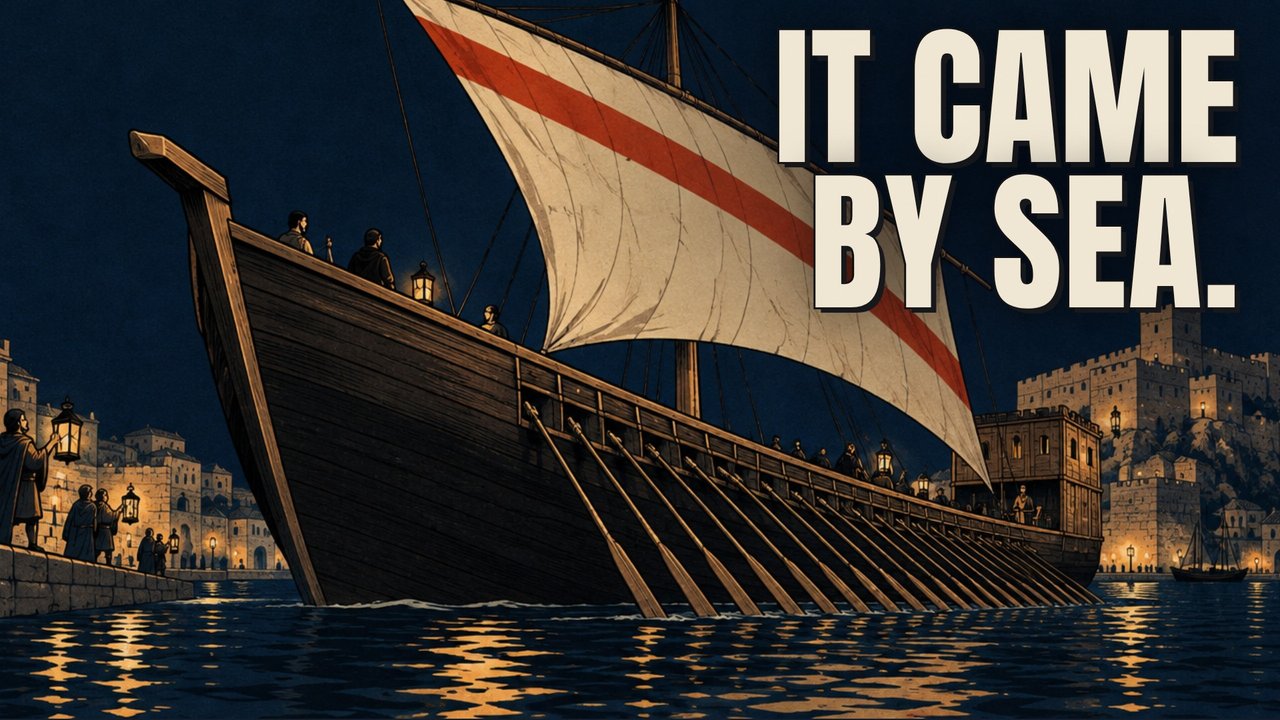
How the Black Death Crossed Europe, Month by Month
In 1347, grain ships from the Black Sea carried the plague into the Mediterranean's busiest ports. It then walked inland, far more slowly, and within about six years reached Moscow. An Irish friar who watched it arrive left blank pages for anyone who survived.
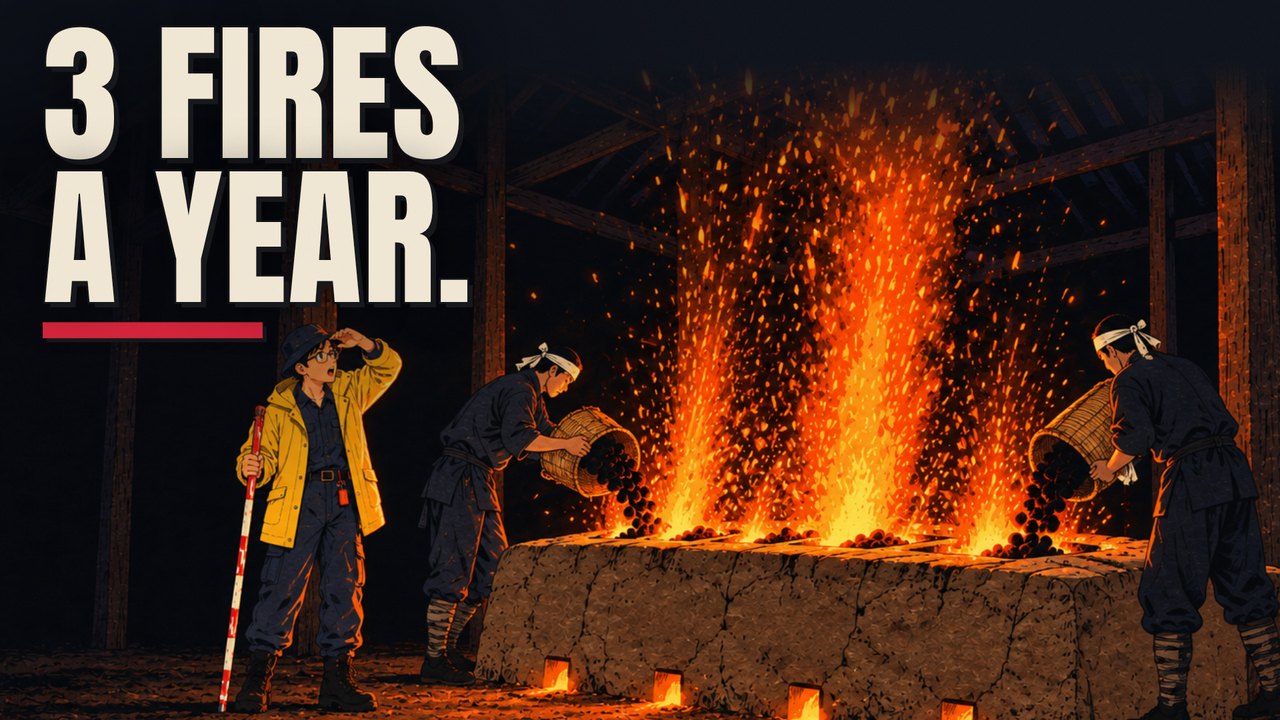
How a Katana Is Still Made in Japan, Step by Step
The fire in Japan's only traditional furnace for sword steel is lit three times a year, in the mountains of Shimane. From there, a long blade needs an approved smith, at least 15 days of work and a panel that judges it as art before anyone can own it.
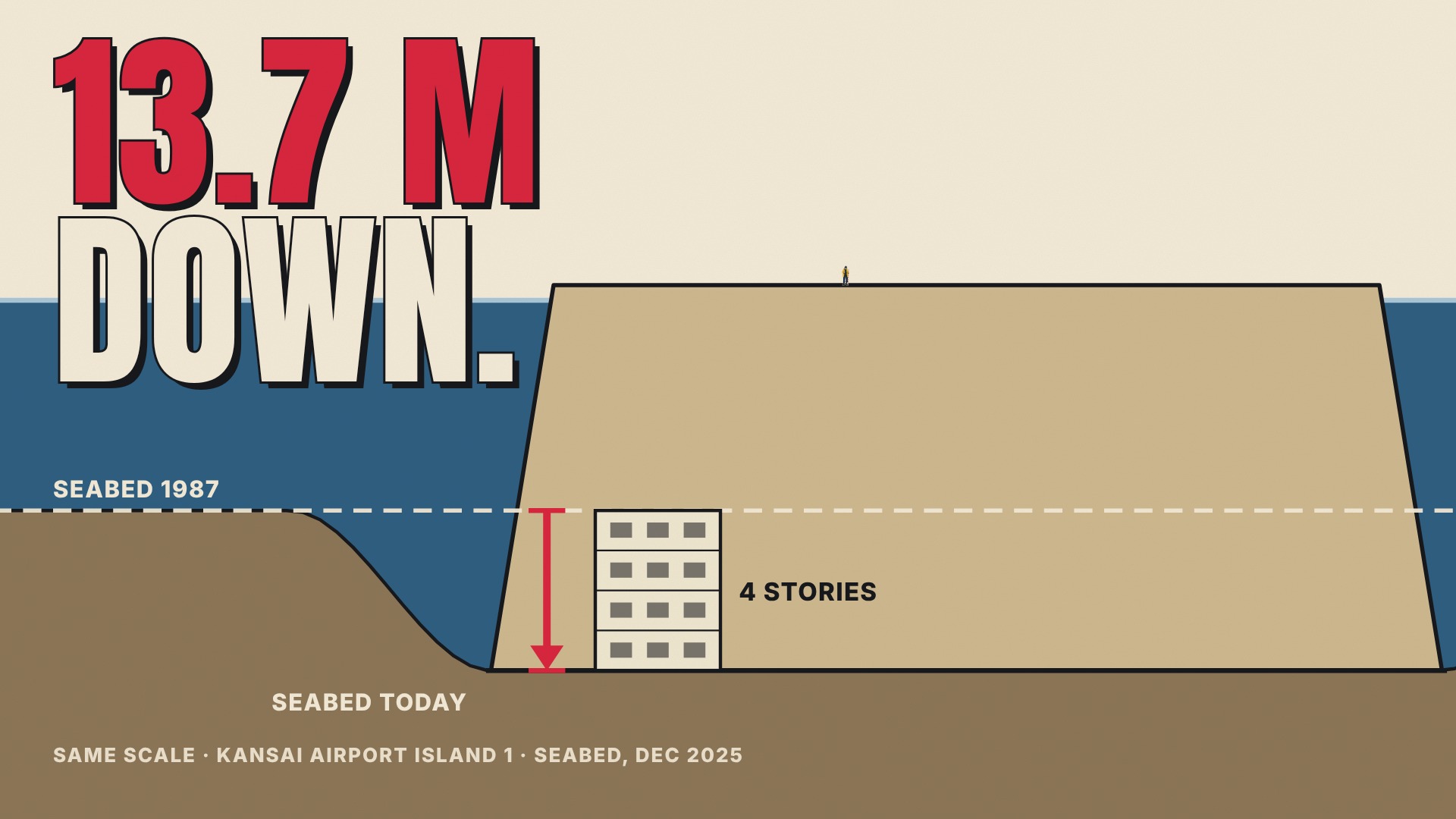
How Japan Keeps a Sinking Airport Above the Sea
Kansai International Airport stands on an island that has been sinking since the day it rose out of Osaka Bay. Japan doesn't stop the sinking. It stays ahead of it.
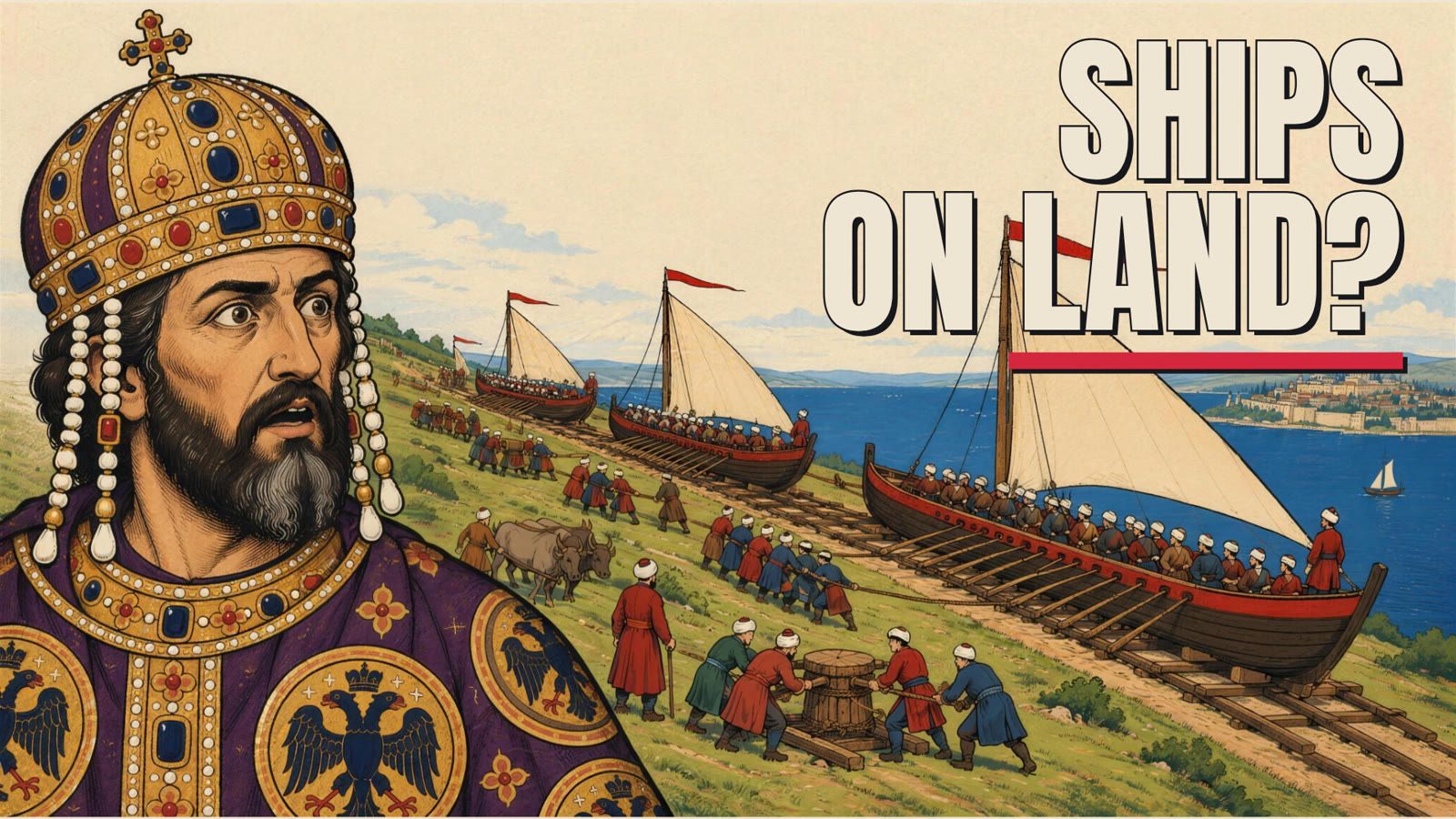
The 53 Days That Ended the Roman Empire
In the spring of 1453, a 21-year-old sultan besieged the last Roman capital. His cannon broke the walls. What decided it was a fleet hauled over a hill, and a line of defenders stretched too thin to hold.
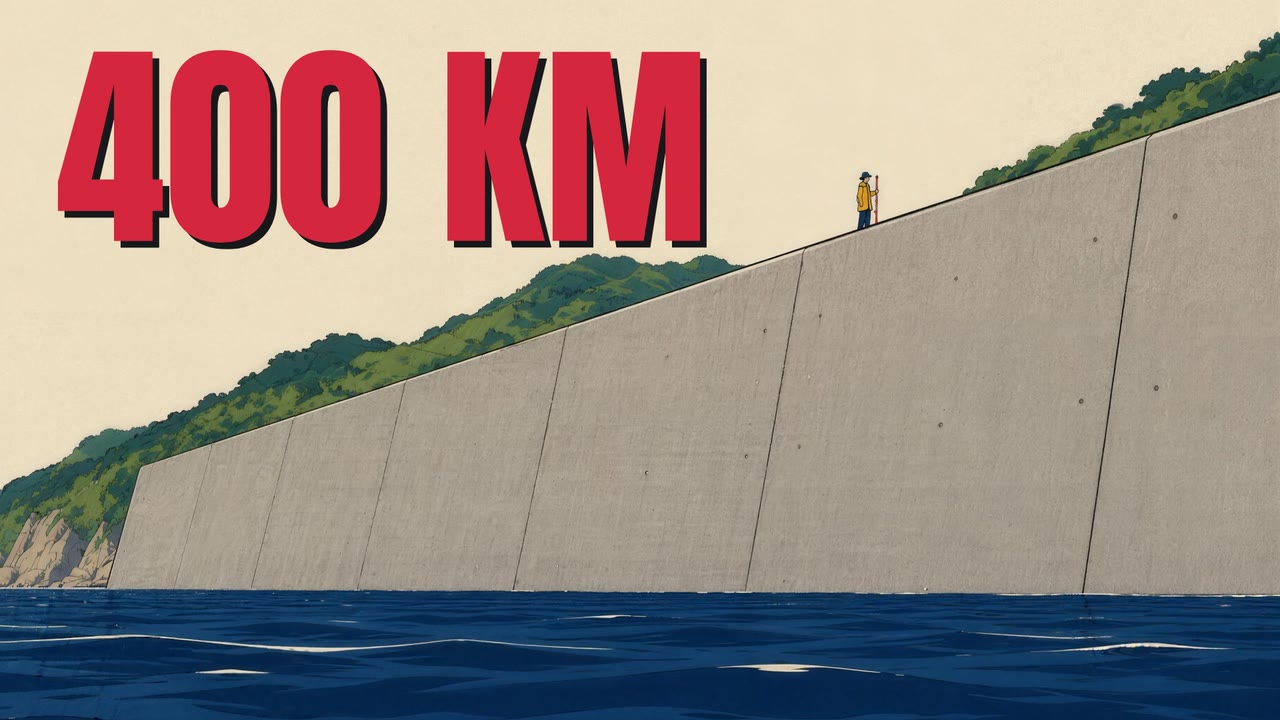
Japan Built a 400 km Wall Against the Sea. Was It Worth It?
After the 2011 tsunami, Iwate, Miyagi and Fukushima rebuilt and raised about 400 km of seawalls. By design, a wave like 2011's would still go over the top. What the walls are for is buying time.
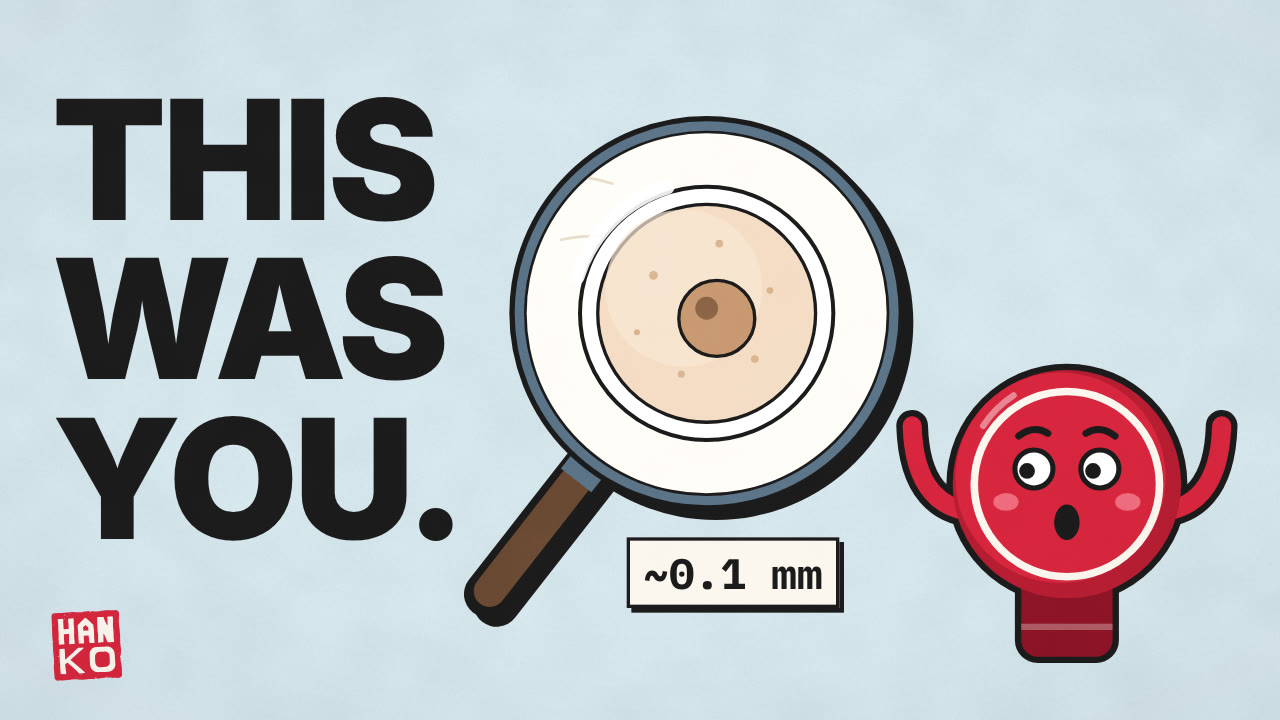
You Were Built in 38 Weeks. Most of It Happened in the First 8.
Counted from fertilization, an average pregnancy lasts 266 days. The body's basic plan is in place by week eight, when the embryo weighs a few grams. The other 30 weeks are mostly for growing, practicing and getting ready.
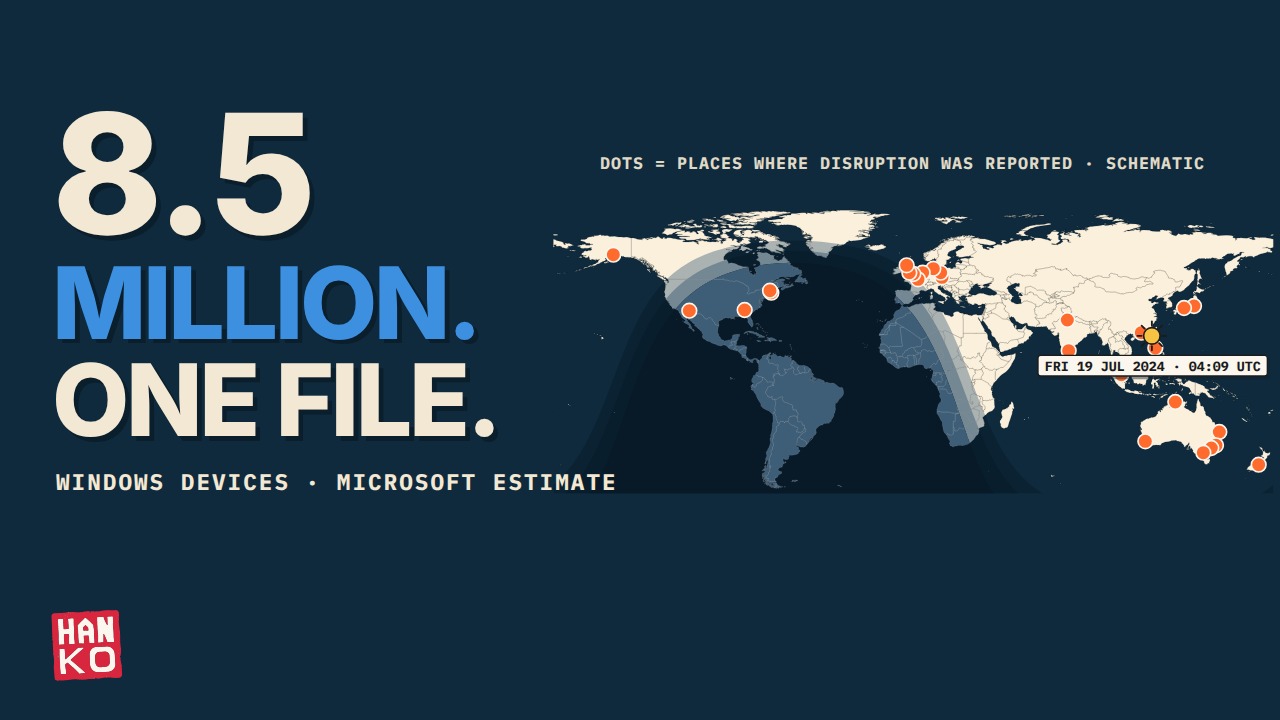
 EP15 · Oct 24, 2026
The Day CrowdStrike Crashed 8.5 Million Computers (Hour by Hour)
A routine CrowdStrike update was live from 04:09 to 05:27 UTC on Friday 19 July 2024. Microsoft estimated it hit about 8.5 million Windows devices. Followed around the world, the day shows why repairing them took days, not minutes.
 EP14 · Oct 19, 2026
Why Japan's Economy Stalled for 30 Years
The 1990 crash broke Japan's banks, and by 2005 the big banks were declared fixed. Prices and paychecks stayed stuck anyway. The Bank of Japan's own review points to weak demand, a strong yen and a habit: wages and prices were assumed not to rise easily.
 EP13 · Oct 17, 2026
What's Really Under Tokyo (Mapped)
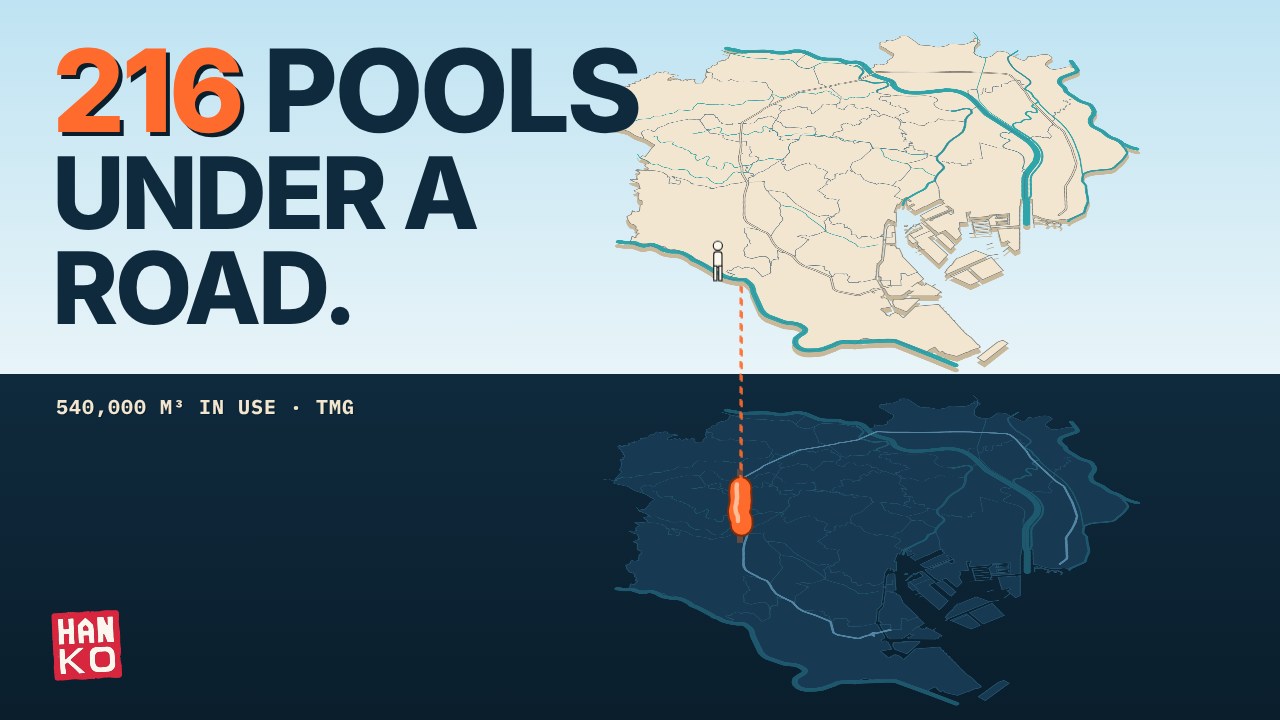
Tokyo fights water from two directions. In the crowded west, it digs tunnels to hold back rain-swollen rivers. In the east, it pumped water out from under itself, sank as much as 4.5 m, and now lives behind walls, gates and pumps.
 EP12 · Oct 15, 2026
What's Really Under Paris (Mapped)
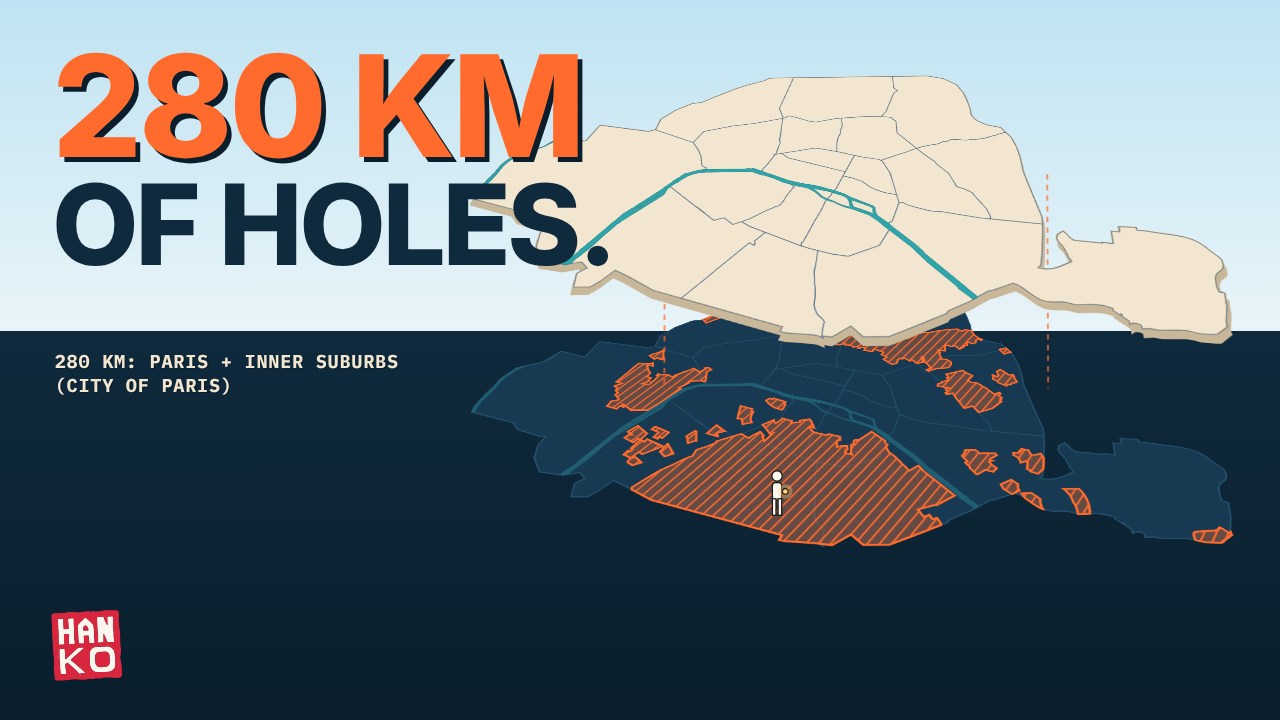
Much of old Paris was built from limestone cut out from under its own streets. Nearly a third of the city is on the official old-quarry risk map, a street fell in on 17 December 1774, and a service founded in 1777 still walks the galleries.
 EP11 · Oct 13, 2026
What If Mount Fuji Erupted Today (Day by Day)
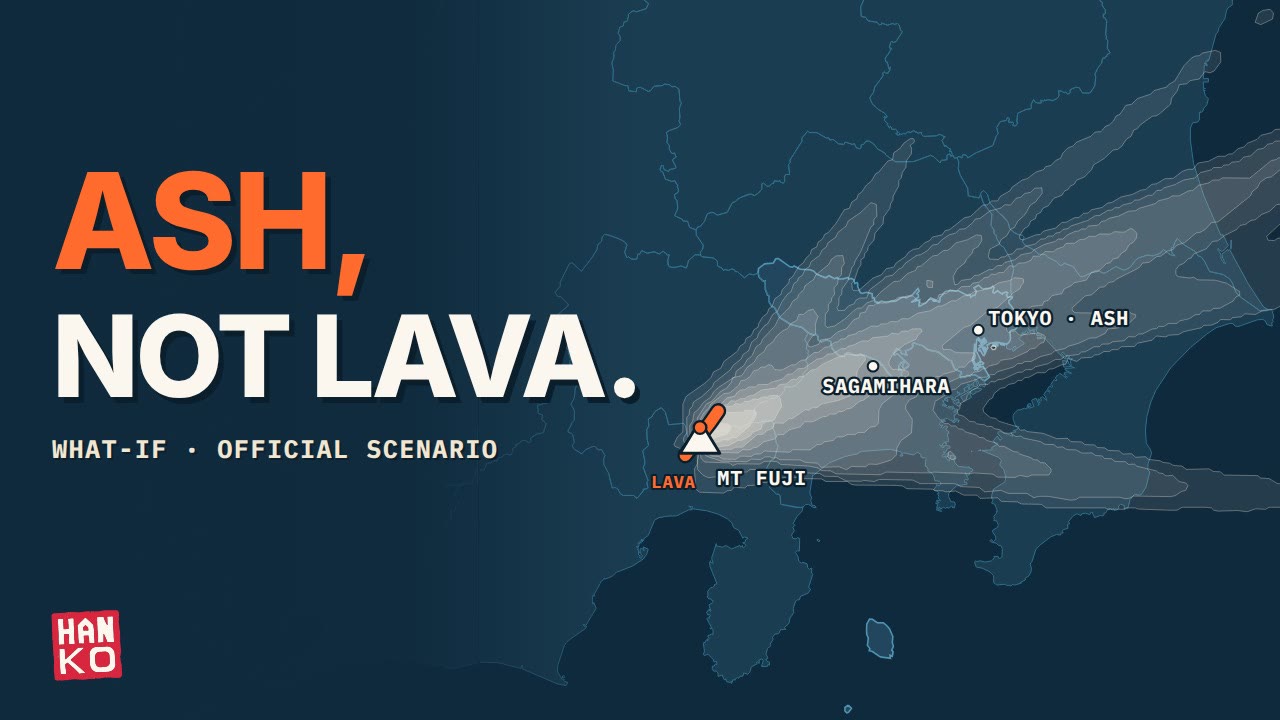
A what-if built on the Cabinet Office's 2020 planning case: a 1707-size eruption, 15 days of ash in a west-south-west wind, followed hour by hour. Mount Fuji is at alert level 1 today, and there are no official odds of an eruption.
 EP10 · Oct 10, 2026
What If Yellowstone Erupted (Day by Day)
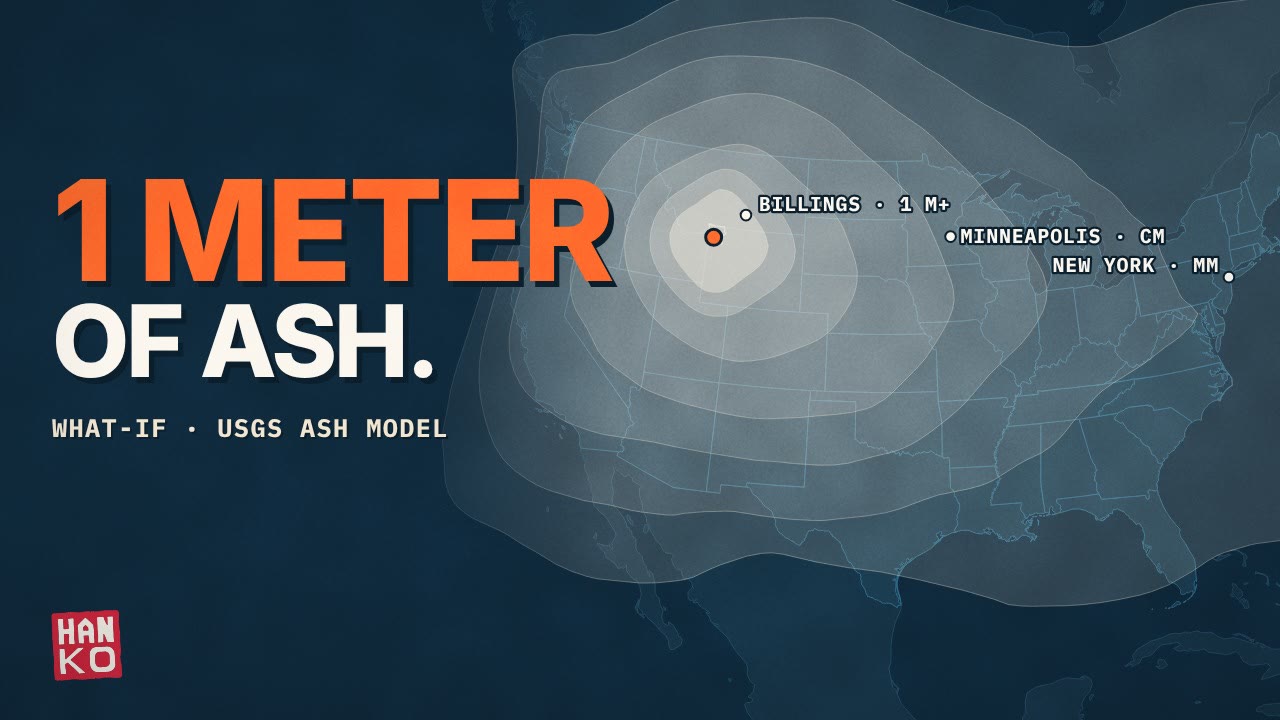
A what-if built on one run of the US Geological Survey's ash model: a month-long super-eruption in January winds, followed hour by hour. The USGS puts the yearly odds at about 1 in 730,000, and what scientists actually expect is far smaller.
 EP09 · Oct 8, 2026
The Entire History of Kyoto
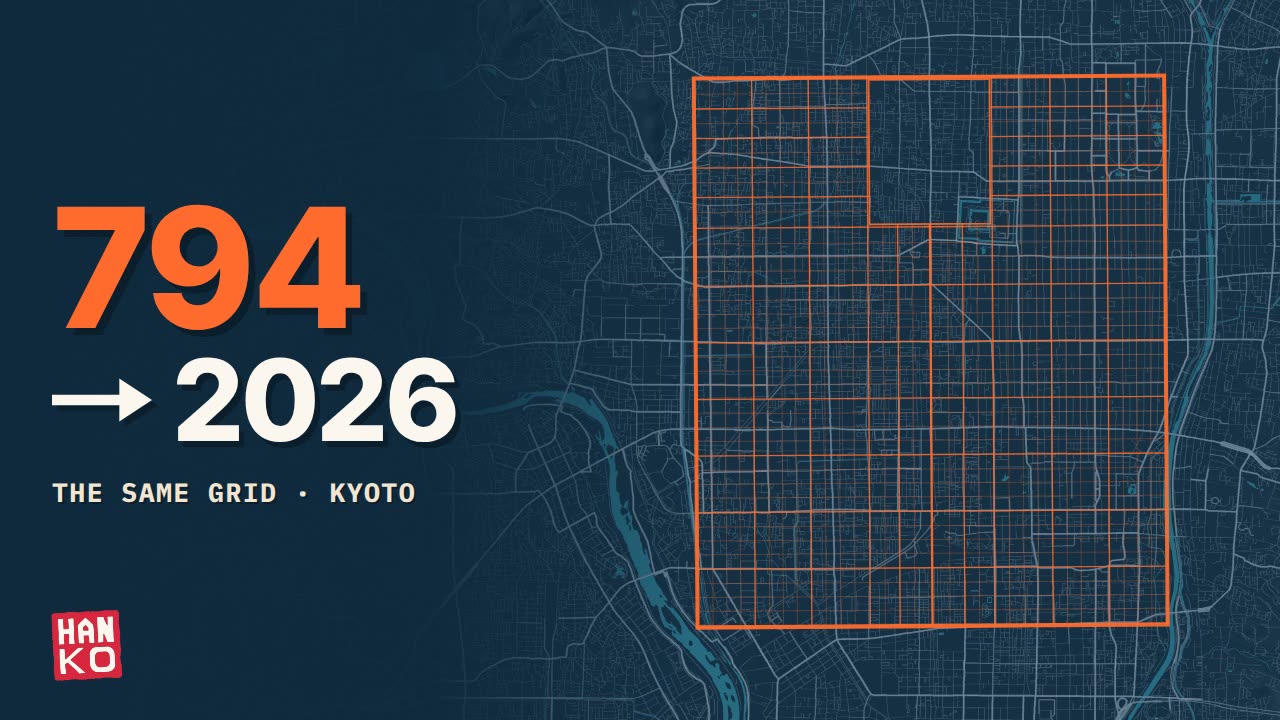
Heian-kyō was laid out in 794 as a perfect grid. Within two centuries half of it was emptying, the palace later wandered into borrowed houses, and fires and wars came and went. The street lines mostly stayed where they were drawn.
 EP08 · Oct 7, 2026
Why US Egg Prices Quadrupled, Then Crashed
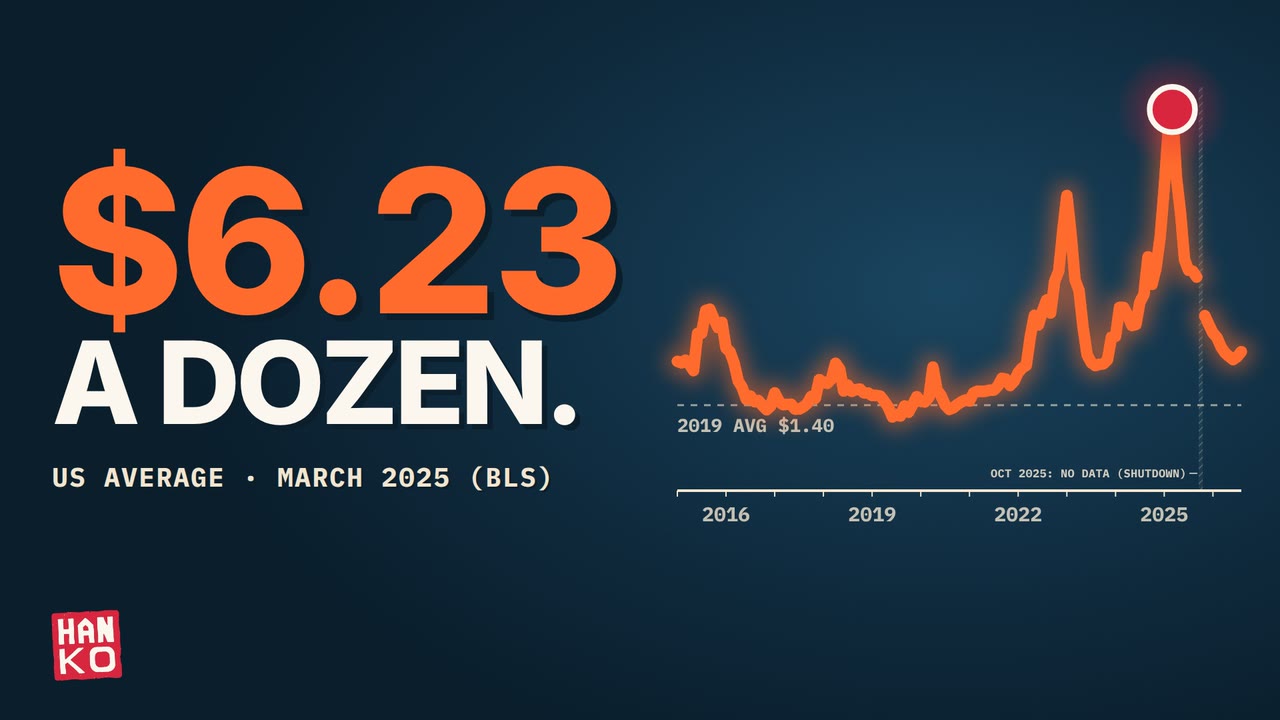
The average US dozen went from about $1.40 in 2019 to $6.23 in March 2025, then $2.27 by August 2026. A small loss of hens, buyers who could not easily switch, and a shelf price that usually follows wholesale with a lag explain the ride.
 EP07 · Oct 6, 2026
The Day Japan's Stock Market Fell 12% (Hour by Hour)
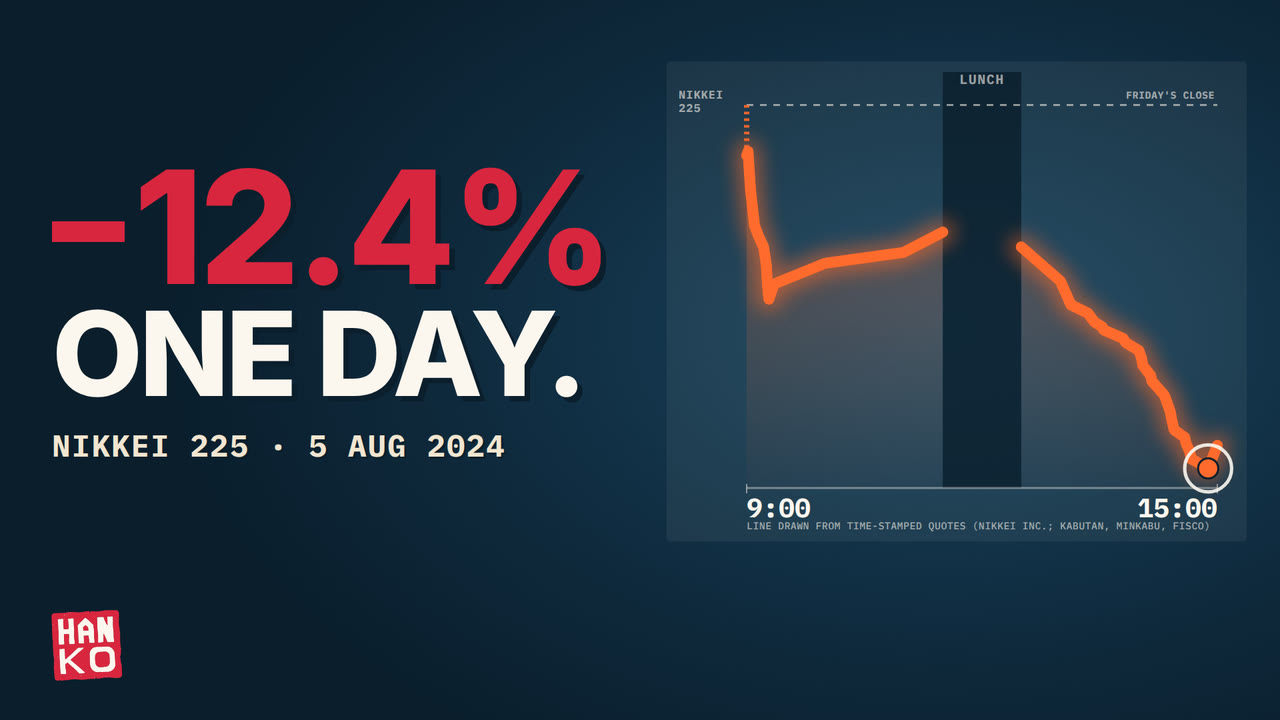
Monday 5 August 2024, bell to bell, from official data and time-stamped quotes. A rate rise in Tokyo, weak US data and a fast-rising yen met on one morning, and the unwinding of borrowed bets made each of them hit harder.
 EP06 · Oct 5, 2026
Why 70% of Japan Lives on Less Than 4% of the Land
Japan is slightly bigger than Germany, yet 88 million people live in districts that would fit in one square 115 km on a side. Mountains, short steep rivers and a century of migration drew that map, and the 2050 projection shows the dark spreading.
 EP05 · Oct 4, 2026
Why Switzerland Is So Expensive, Yet Still So Rich
A Big Mac costs $9.04 in Switzerland and everyday prices run about 71% above the EU average. High pay, a strong franc and safe-haven money explain both the prices and the wealth, and why Japan went the other way.
 EP04 · Oct 3, 2026
What If Japan Stopped Importing Food for 30 Days
A modelled what-if built from Japan's official data: every food and animal-feed import stops for a month. The rice holds. The weak point is the grain that Japan's hens, chickens and pigs eat.
 EP03 · Oct 2, 2026
Why Almost Everyone in Egypt Lives Along One River
More than 109 million people, a country that is 96% desert, and one river whose water mostly starts in Ethiopia. How the Nile drew Egypt's population map, and why the desert cities have not redrawn it.
 EP02 · Oct 1, 2026
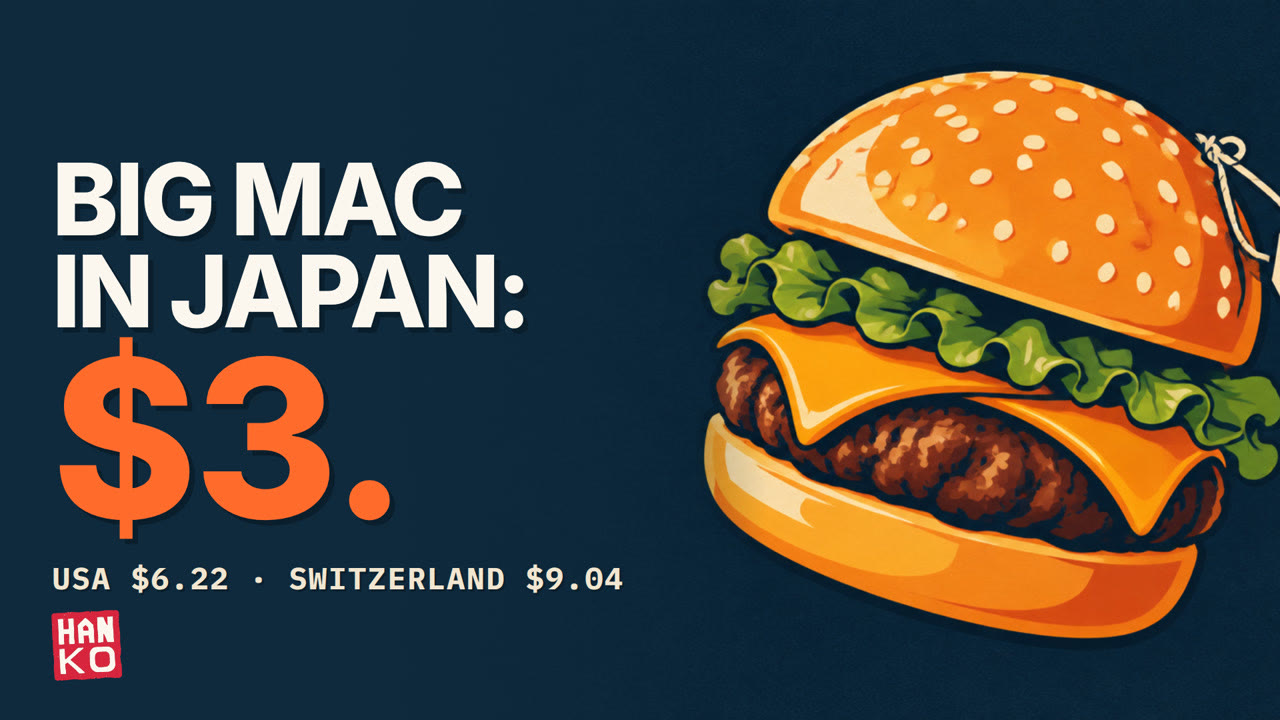
Why Japan Got So Cheap for the Rest of the World
A Big Mac costs about $3 in Japan and $6.22 in the US. The weak yen is only one of three causes, and the same forces that make Japan a bargain for visitors make the rest of the world expensive for the Japanese.
 EP01 · Sep 30, 2026
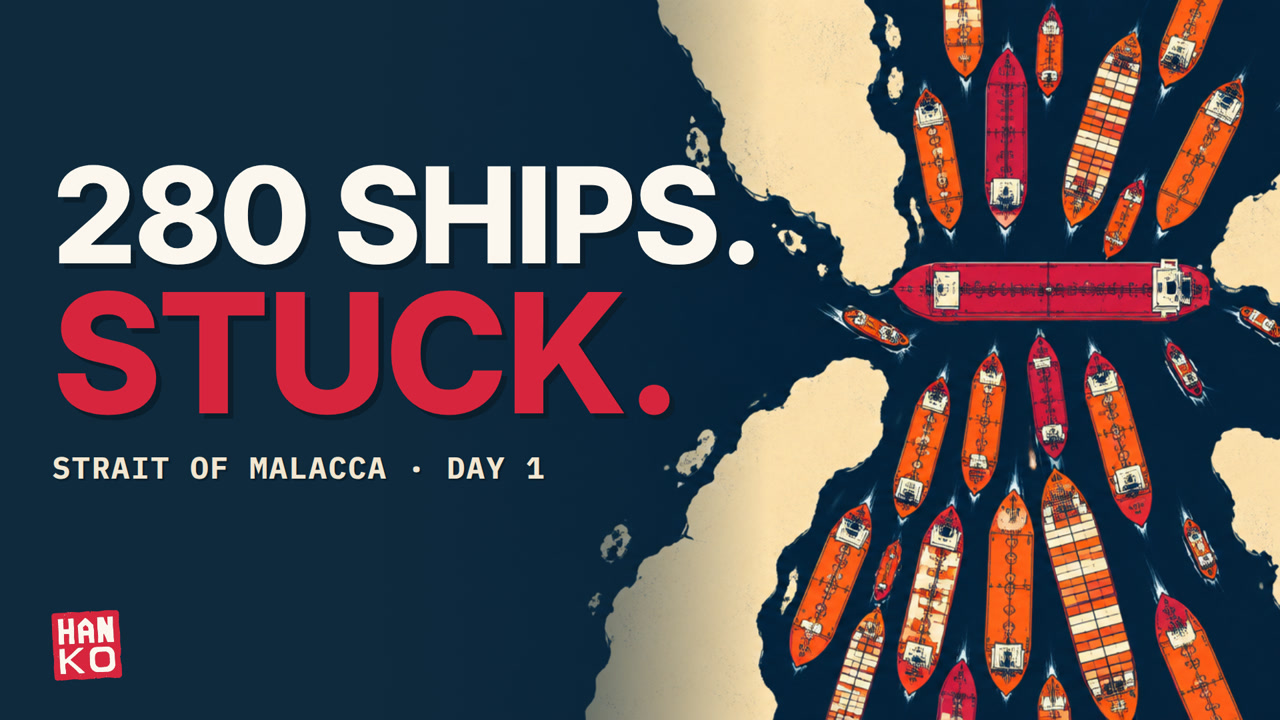
What If the Strait of Malacca Closed for a Month
A day-by-day scenario built on real data, mostly from 2025: one collision shuts the world's busiest shipping lane for 30 days. The oil keeps coming, just late. What runs short is ship time.