
How the world works, mapped, dated and stamped.
Explainers on money, places and what-if scenarios. Every episode has a written version here with its key figures, sources and corrections.
Watch on YouTubeHow we work
Latest episodes
All episodes →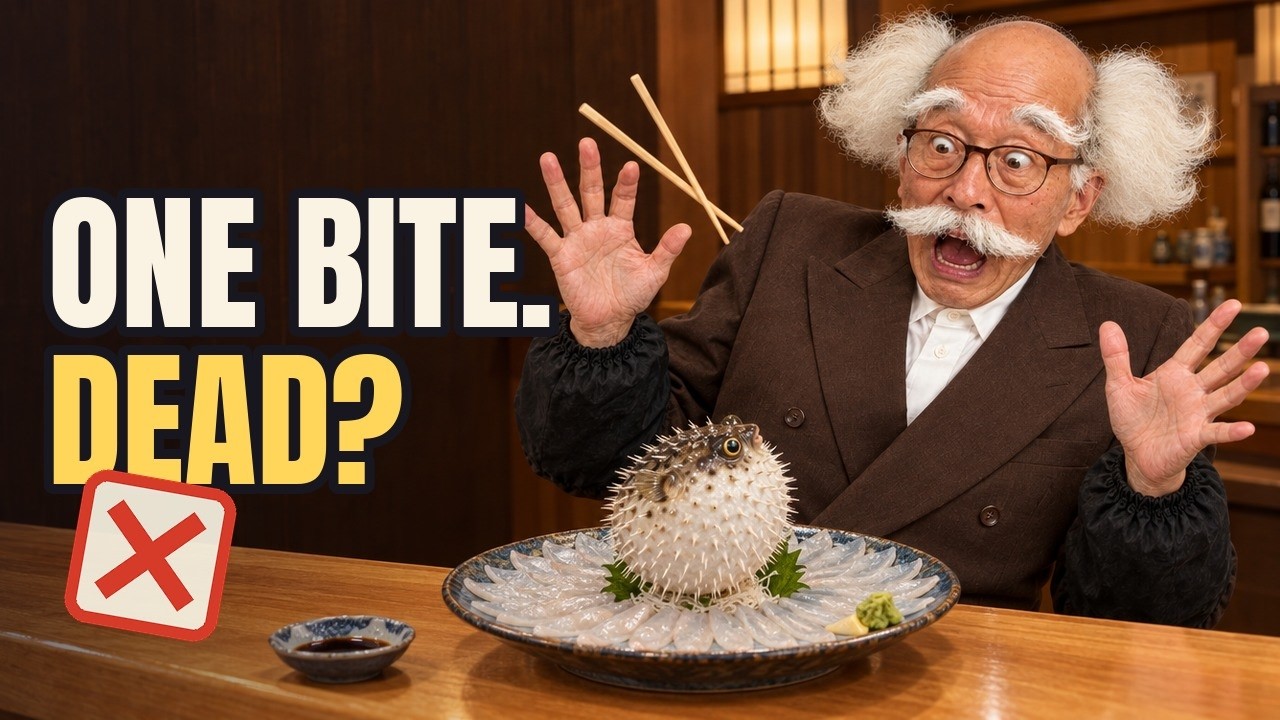
Why Japan Lets You Eat the World's Most Poisonous Fish
Fugu toxin cannot be cooked out, so Japan has it cut out: a national list of species and parts, licensed handlers and locked-away waste. Most poisonings come from fish cleaned at home, and the liver stays banned even when farmed.

Why Japan Is Betting on Paper-Thin Solar Panels
Perovskite film is weaker and shorter-lived than silicon, yet Japan will put up to ¥157 billion behind it. It fits roofs and walls silicon cannot, and its key ingredient, iodine, is made at home.
Why Does Japan Have the World's Oldest Companies?
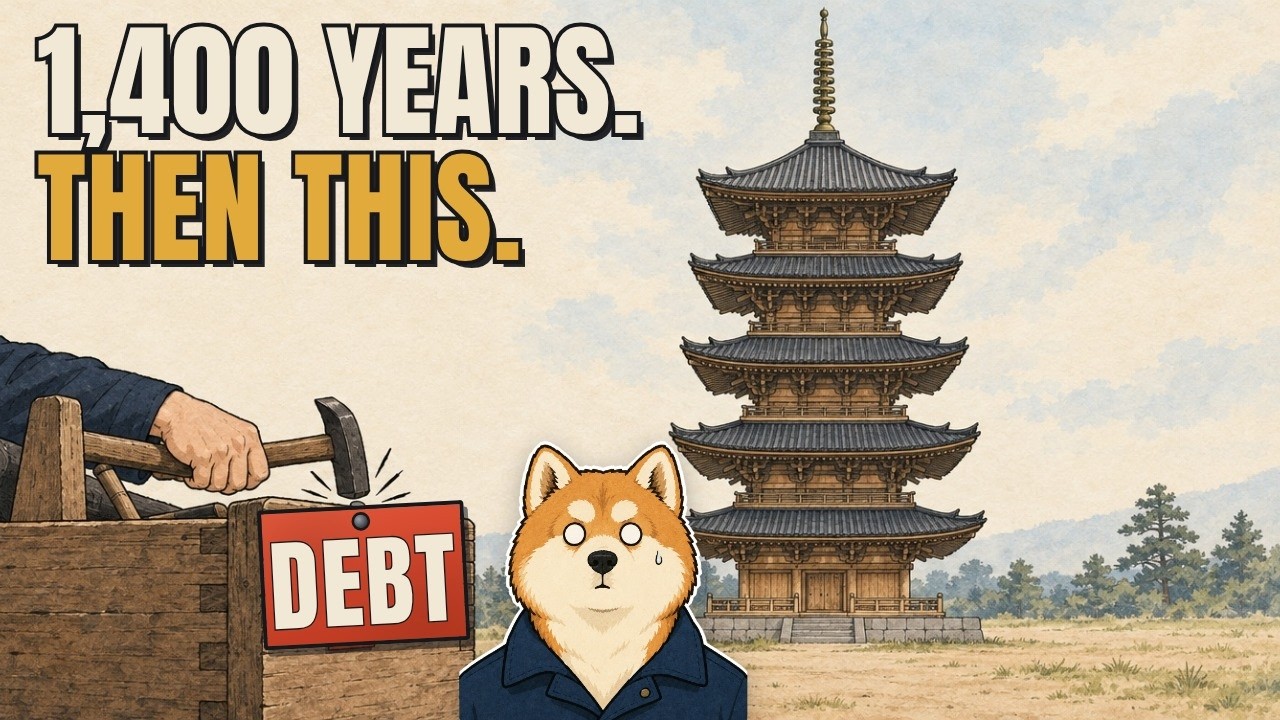
Kongō Gumi says it has built temples since 578. It survived fires and war by changing heirs, clients and materials, then nearly died of debt. What lasted was the name and the craft.
Every Japanese House Style Explained
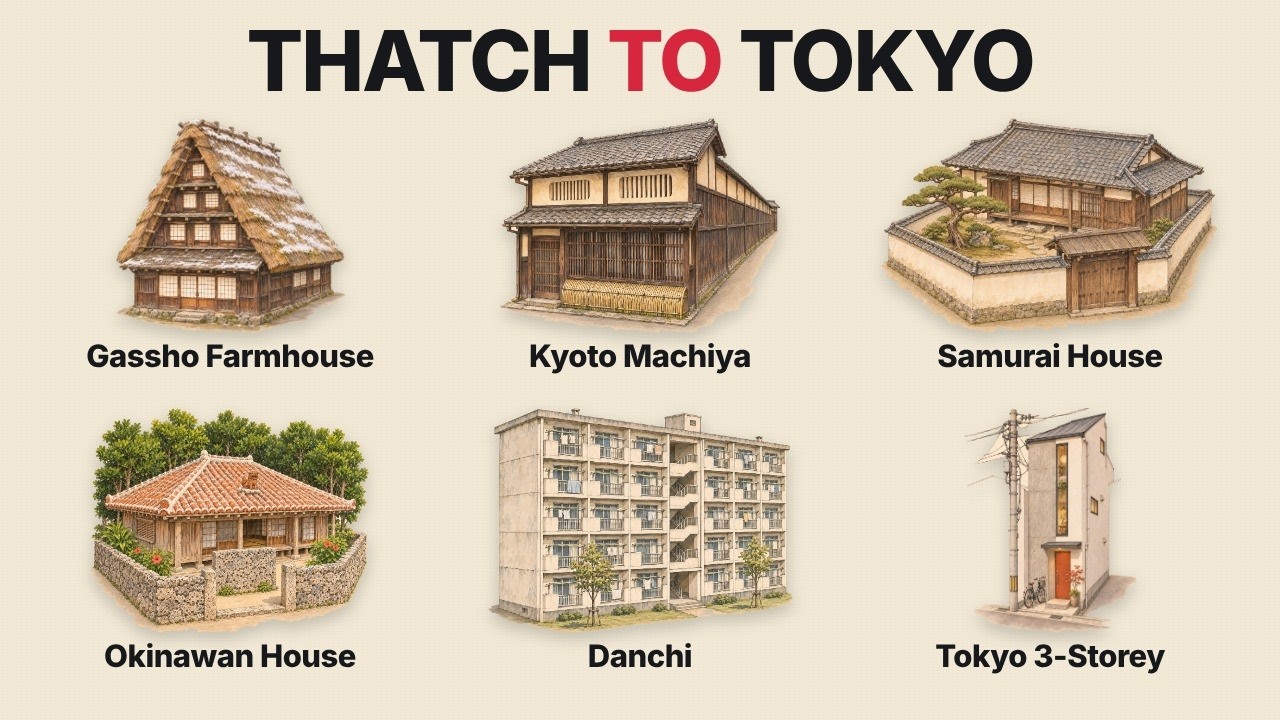
From pit dwellings to Tokyo's three-storey homes: every major Japanese house style, oldest first, how to spot each from the street, and why snow, typhoons, fire and postwar rules made so many.
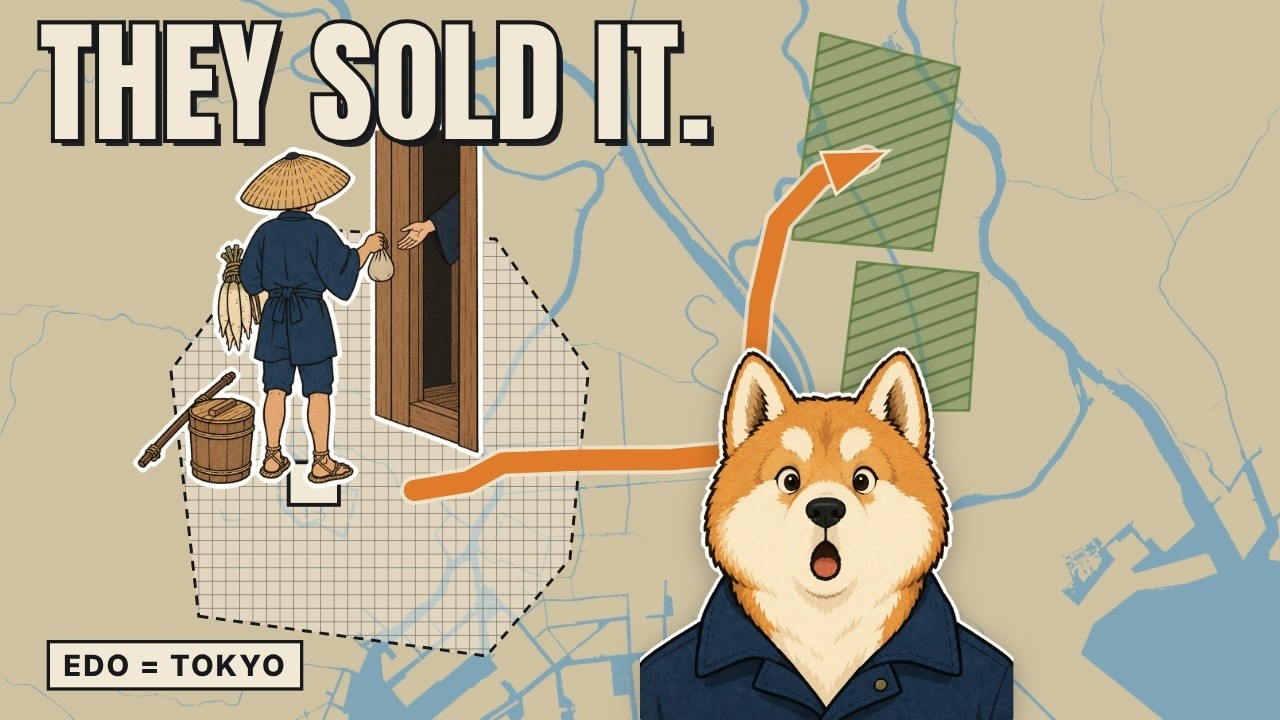
Why Farmers Once Paid for Tokyo's Poop
In Edo, today's Tokyo, human waste was fertilizer, so farmers paid landlords for it in cash or radishes. Prices rose, a thousand villages protested, and in 1918 the money flipped.

Why Did Japan Stop Giving Tourists Tax-Free Prices?
Since November 1, 2026, visitors to Japan pay tax at the register and get it back only after a customs check at departure. The old discount-first system let 374 big buyers spend ¥170.4 billion in a year, and the goods were confirmed leaving in just one checked case.