

Money Mechanics
How prices, currencies and pay actually move, one mechanism at a time.
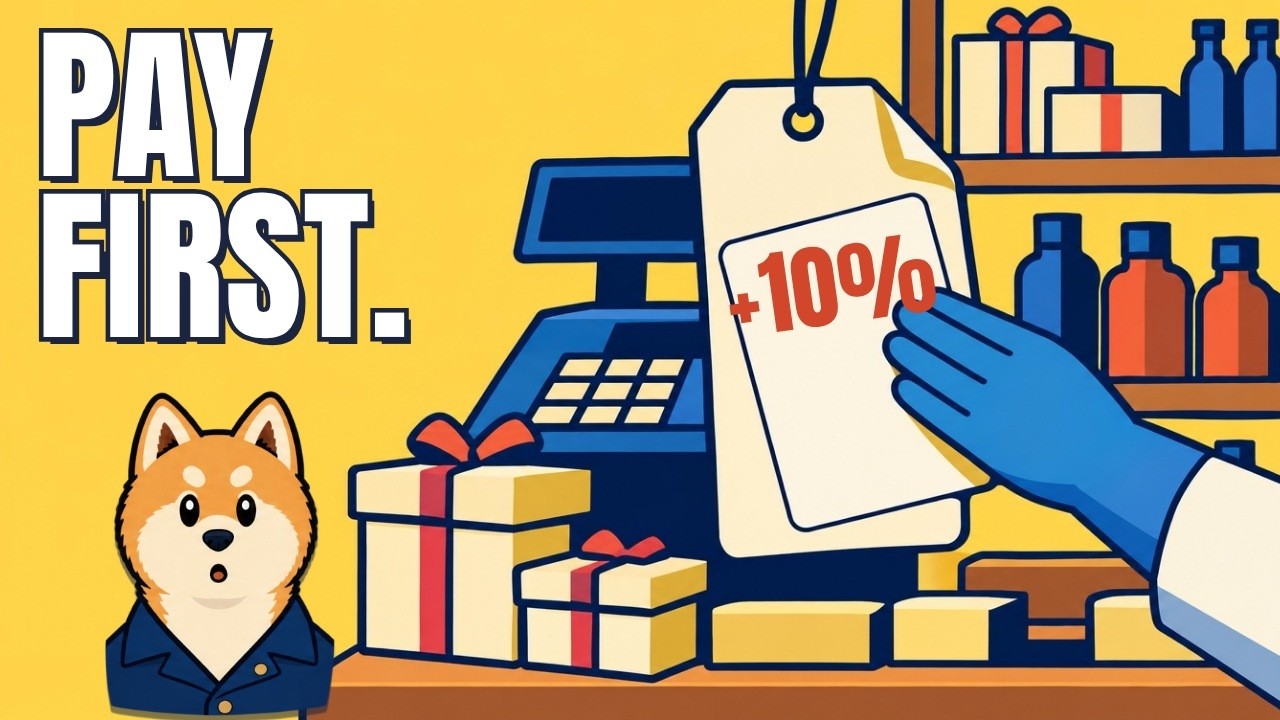
Why Did Japan Stop Giving Tourists Tax-Free Prices?
Since November 1, 2026, visitors to Japan pay tax at the register and get it back only after a customs check at departure. The old discount-first system let 374 big buyers spend ¥170.4 billion in a year, and the goods were confirmed leaving in just one checked case.
 EP14 · Oct 19, 2026
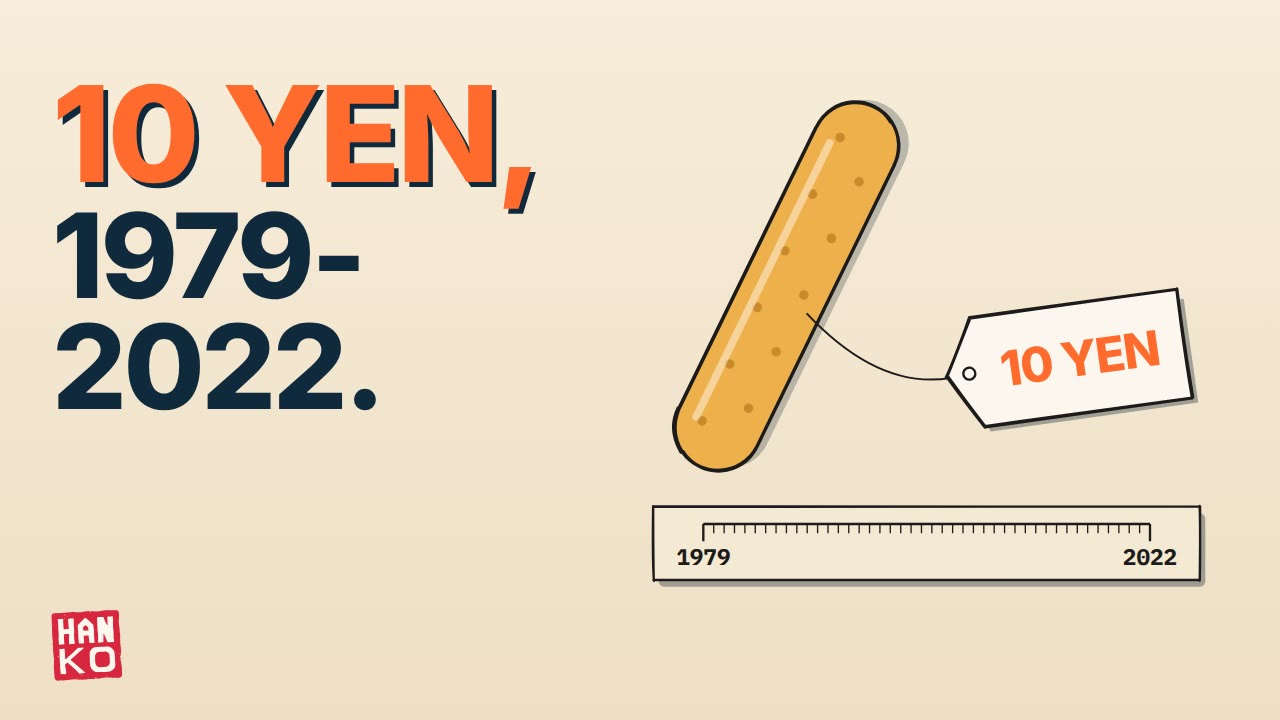
Why Japan's Economy Stalled for 30 Years
The 1990 crash broke Japan's banks, and by 2005 the big banks were declared fixed. Prices and paychecks stayed stuck anyway. The Bank of Japan's own review points to weak demand, a strong yen and a habit: wages and prices were assumed not to rise easily.
 EP08 · Oct 7, 2026
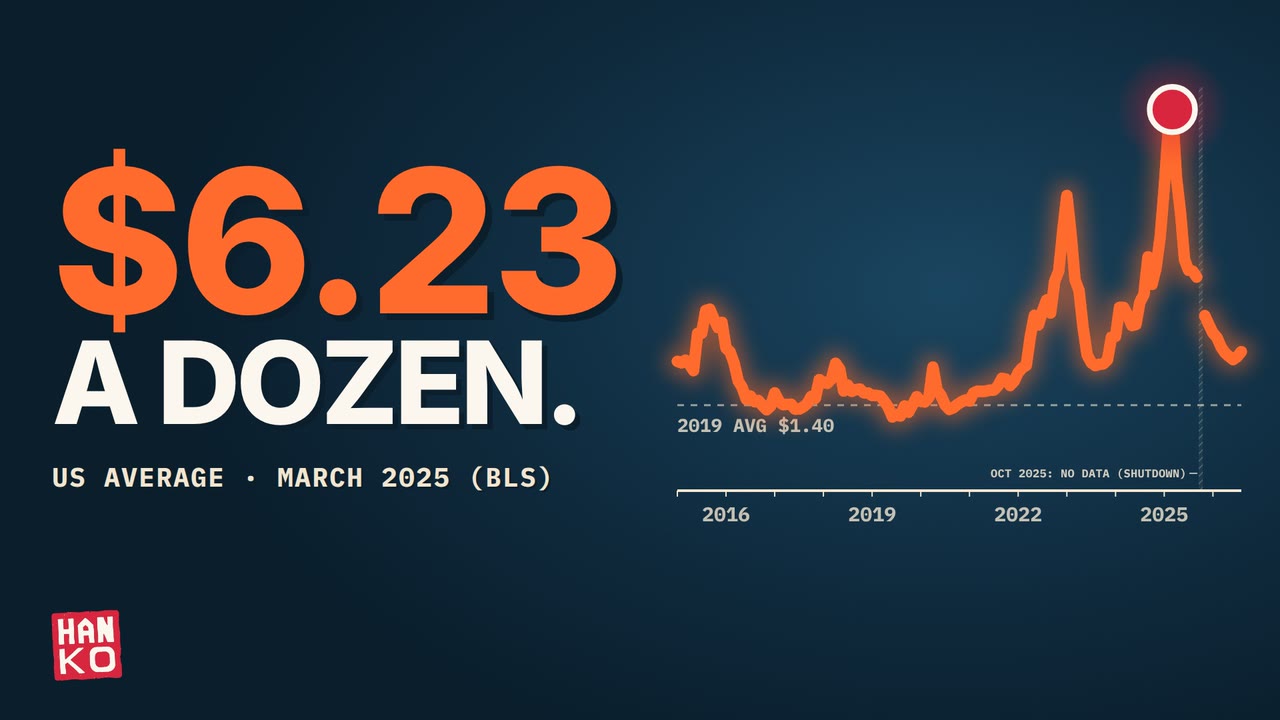
Why US Egg Prices Quadrupled, Then Crashed
The average US dozen went from about $1.40 in 2019 to $6.23 in March 2025, then $2.27 by August 2026. A small loss of hens, buyers who could not easily switch, and a shelf price that usually follows wholesale with a lag explain the ride.
 EP05 · Oct 4, 2026
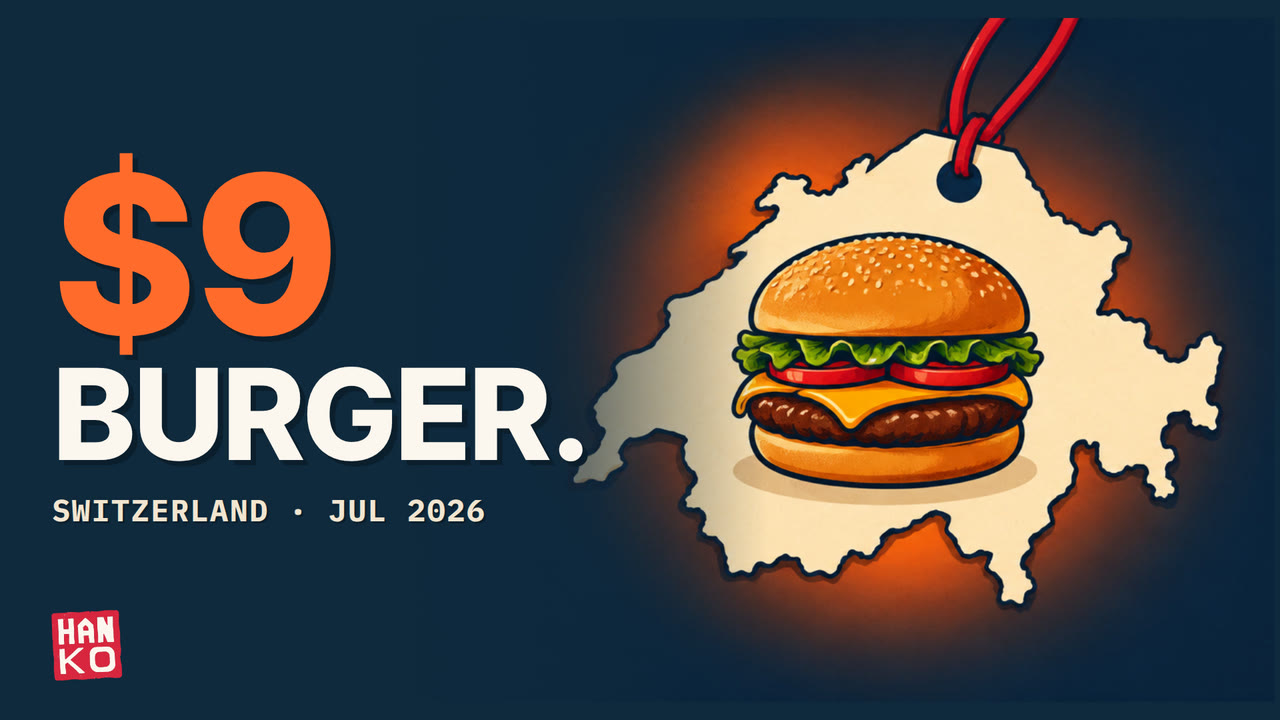
Why Switzerland Is So Expensive, Yet Still So Rich
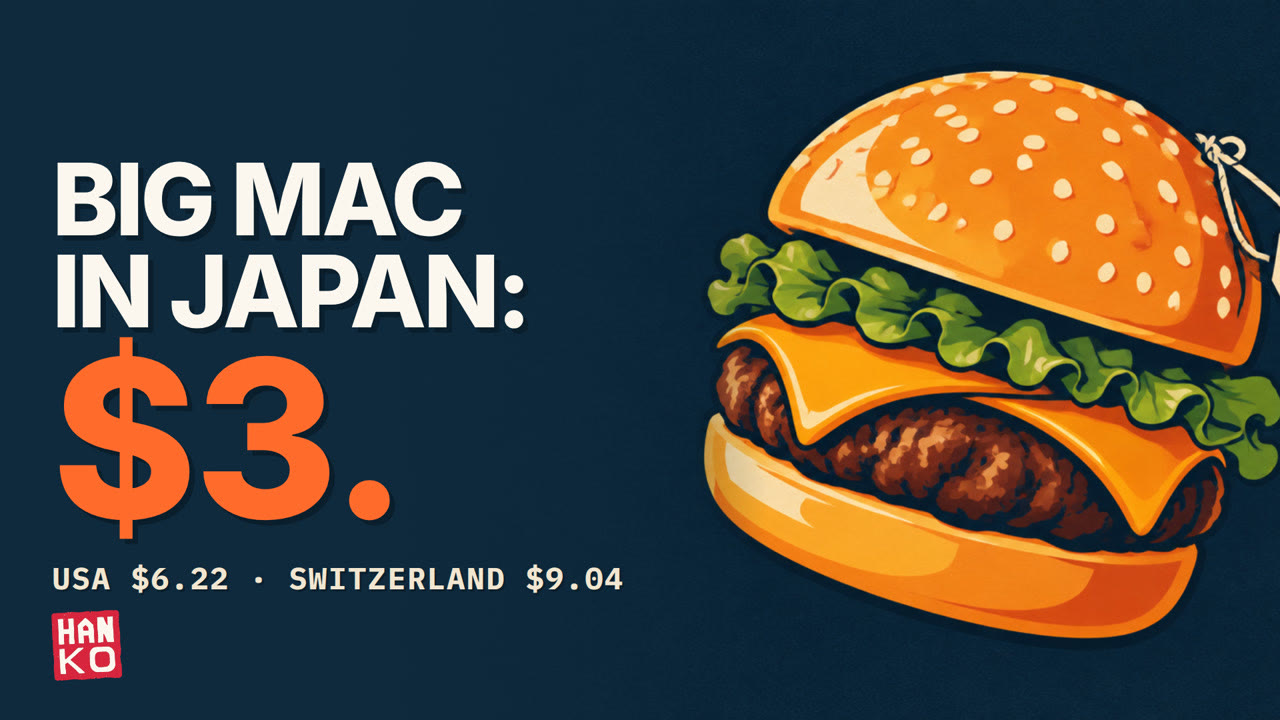
A Big Mac costs $9.04 in Switzerland and everyday prices run about 71% above the EU average. High pay, a strong franc and safe-haven money explain both the prices and the wealth, and why Japan went the other way.
 EP02 · Oct 1, 2026
Why Japan Got So Cheap for the Rest of the World
A Big Mac costs about $3 in Japan and $6.22 in the US. The weak yen is only one of three causes, and the same forces that make Japan a bargain for visitors make the rest of the world expensive for the Japanese.