
How Japan Built It
Japan's giant works and the systems behind them, from sea walls to airports: why they were built, and what they cost.
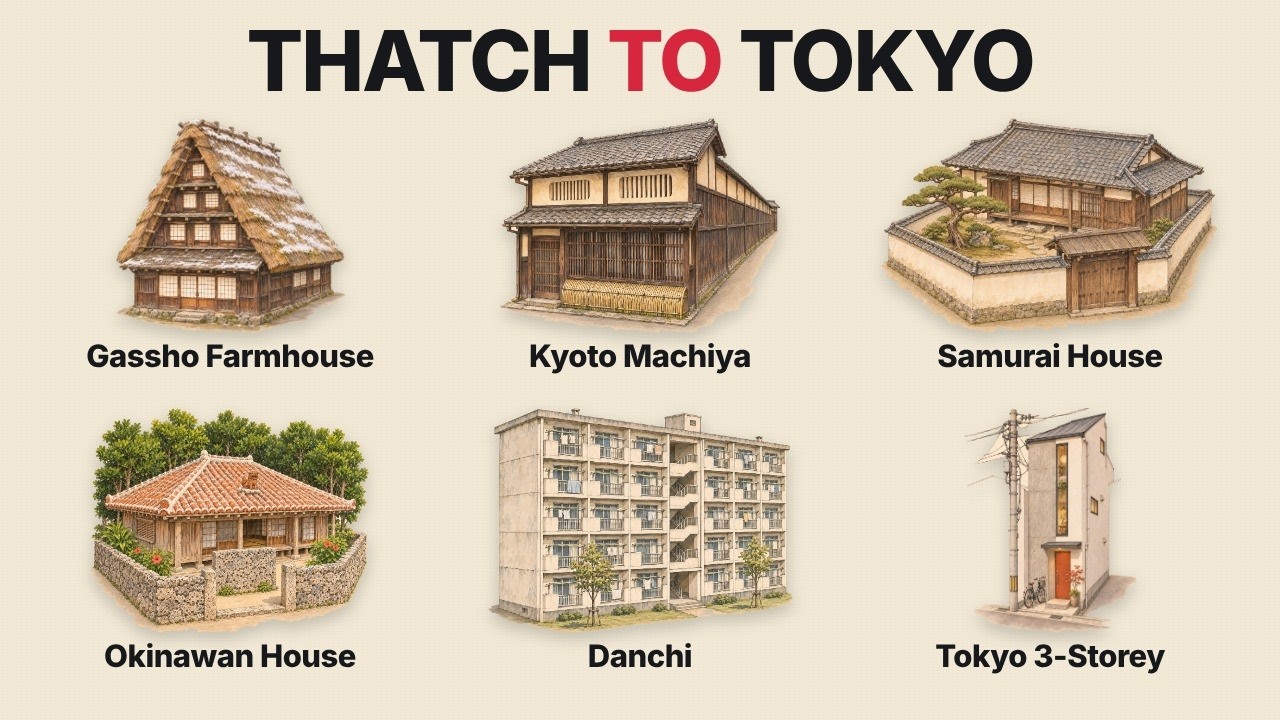
Every Japanese House Style Explained
From pit dwellings to Tokyo's three-storey homes: every major Japanese house style, oldest first, how to spot each from the street, and why snow, typhoons, fire and postwar rules made so many.

Why Japan Is Betting on Paper-Thin Solar Panels
Perovskite film is weaker and shorter-lived than silicon, yet Japan will put up to ¥157 billion behind it. It fits roofs and walls silicon cannot, and its key ingredient, iodine, is made at home.

Why Japan Lets You Eat the World's Most Poisonous Fish
Fugu toxin cannot be cooked out, so Japan has it cut out: a national list of species and parts, licensed handlers and locked-away waste. Most poisonings come from fish cleaned at home, and the liver stays banned even when farmed.
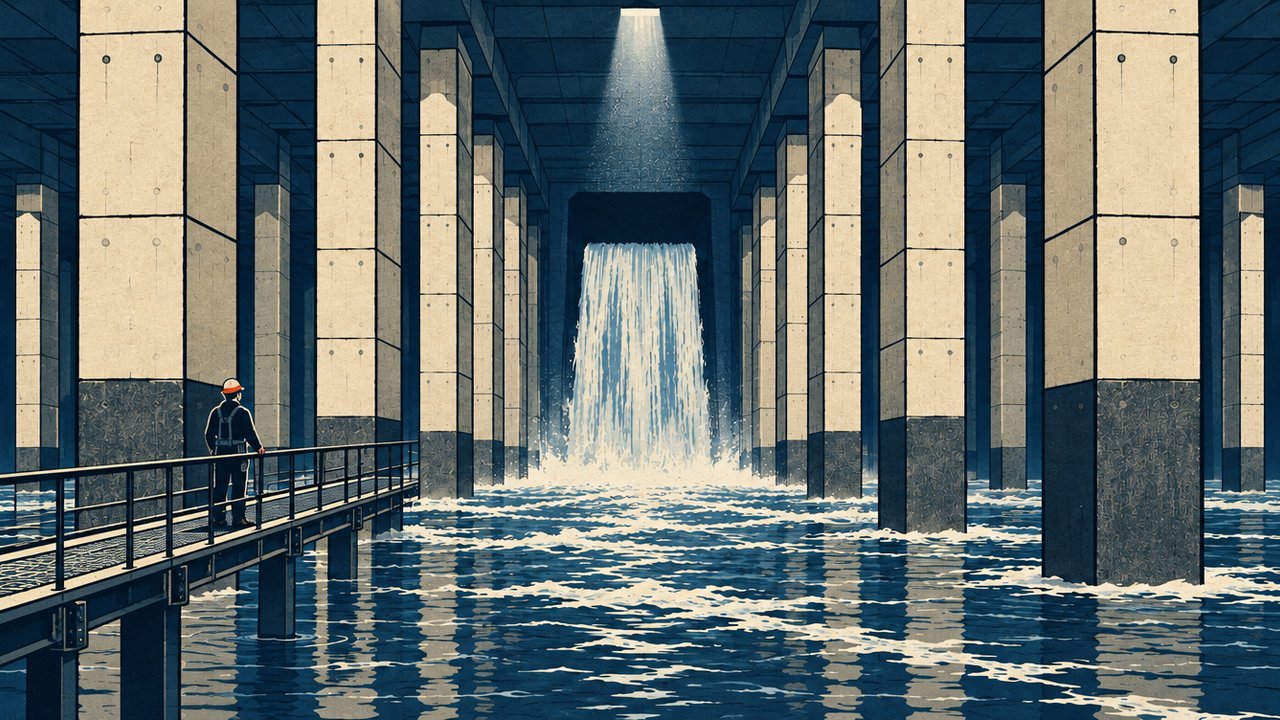
How Japan Stops Floods With an Underground Temple
On a low plain north of Tokyo, Japan dug a river under its own towns. When small rivers rise, their water drops into deep shafts, crosses a hall of 59 pillars and is pumped into a bigger river. In 2019, a typhoon tested it.
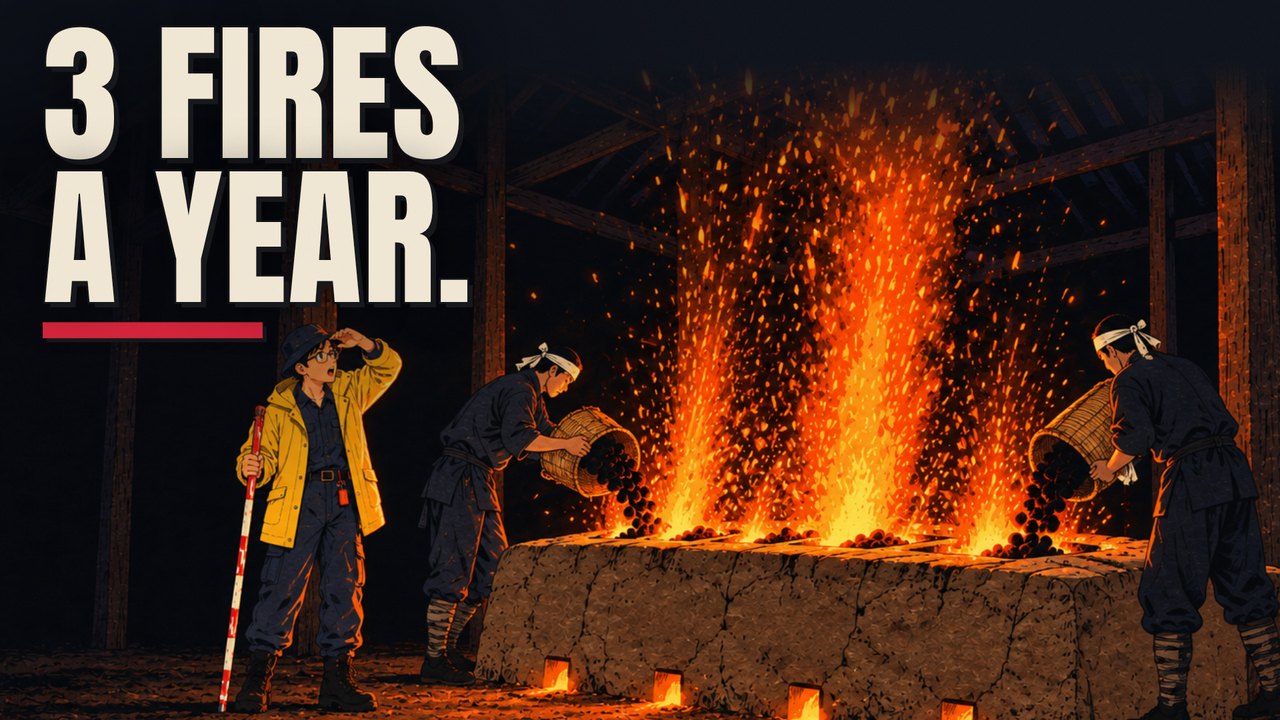
How a Katana Is Still Made in Japan, Step by Step
The fire in Japan's only traditional furnace for sword steel is lit three times a year, in the mountains of Shimane. From there, a long blade needs an approved smith, at least 15 days of work and a panel that judges it as art before anyone can own it.
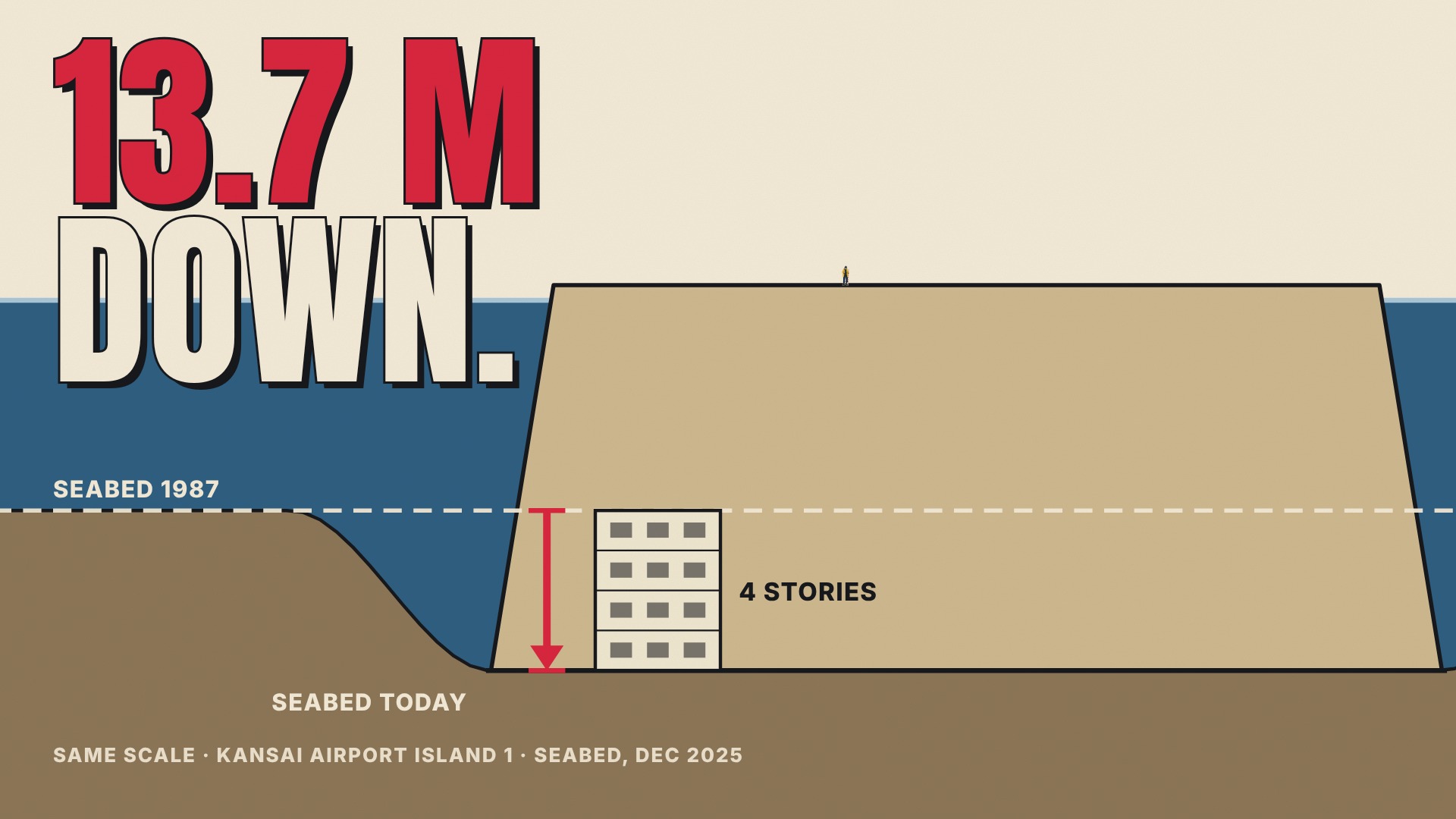
How Japan Keeps a Sinking Airport Above the Sea
Kansai International Airport stands on an island that has been sinking since the day it rose out of Osaka Bay. Japan doesn't stop the sinking. It stays ahead of it.
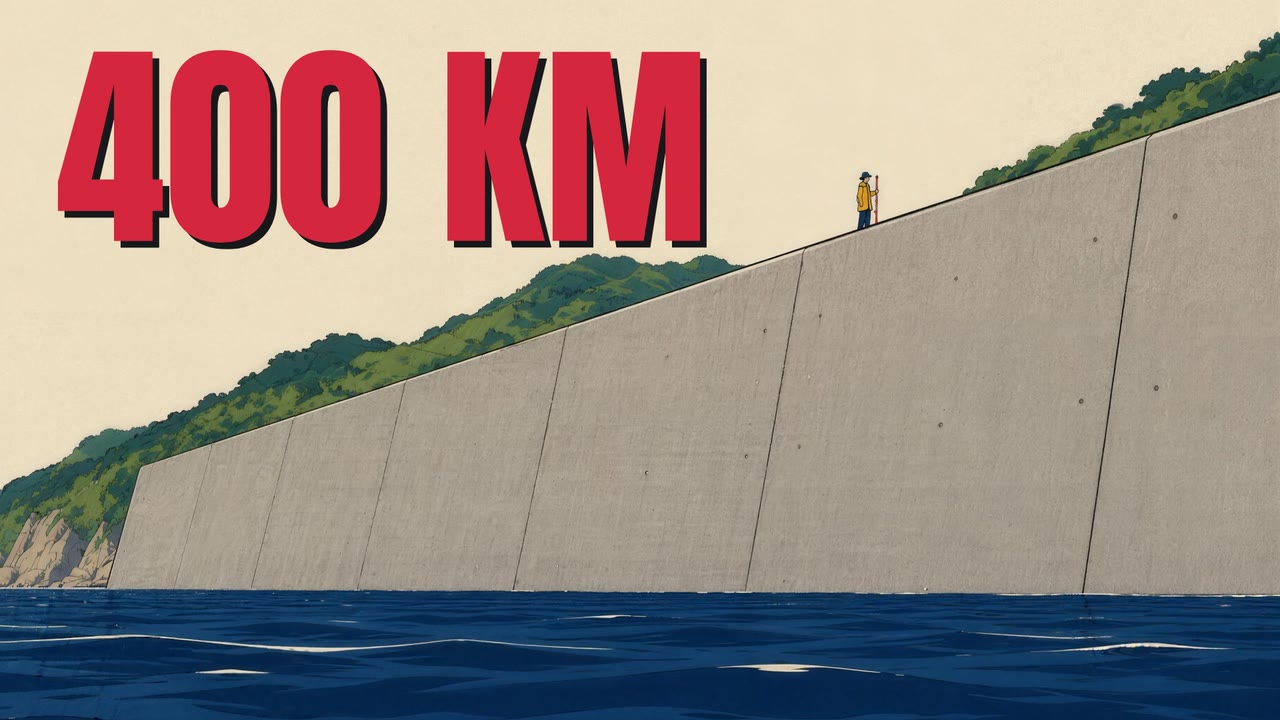
Japan Built a 400 km Wall Against the Sea. Was It Worth It?
After the 2011 tsunami, Iwate, Miyagi and Fukushima rebuilt and raised about 400 km of seawalls. By design, a wave like 2011's would still go over the top. What the walls are for is buying time.